After six years of claiming they fled the Royal Family for “privacy” and a quieter life, Prince Harry and Meghan Markle continue to treat every room they enter like a carefully stage-managed set. Celebrities attend birthdays, galas, and charity dinners all the time. They show up, support the host or cause, take a polite photo if asked, and leave. The night belongs to someone else.
Not with these two.
Every appearance becomes a story about whether they were welcomed enough, who stood next to them, how close they are to the “right” people, and what the public is supposed to believe. When the optics don’t match their preferred narrative, a source materializes, the preferred version travels first, and everyone else is left scrambling to correct the record.
Look at Kris Jenner’s star-studded 70th birthday party in November 2025, a James Bond-themed extravaganza at Jeff Bezos and Lauren Sánchez’s Beverly Hills mansion. Harry and Meghan attended. Photos went up on Instagram from both Kris and Kim Kardashian showing the couple posing with the birthday girl and Kim. Then the photos vanished. Suddenly the narrative was about consent forms the Sussexes supposedly checked “no” on. A source close to the event later told People there were no such forms. Months afterward, Kim Kardashian was still explaining the mess on her sister Khloé’s podcast: they had been told it was fine to post, the Sussexes later decided they didn’t want images of themselves partying circulating (especially around Remembrance Day), and the Kardashians took them down. Kim called the whole thing “so silly.” She was right. It didn’t have to become another Harry-and-Meghan saga. But it did—and the Kardashians were the ones left defending themselves.
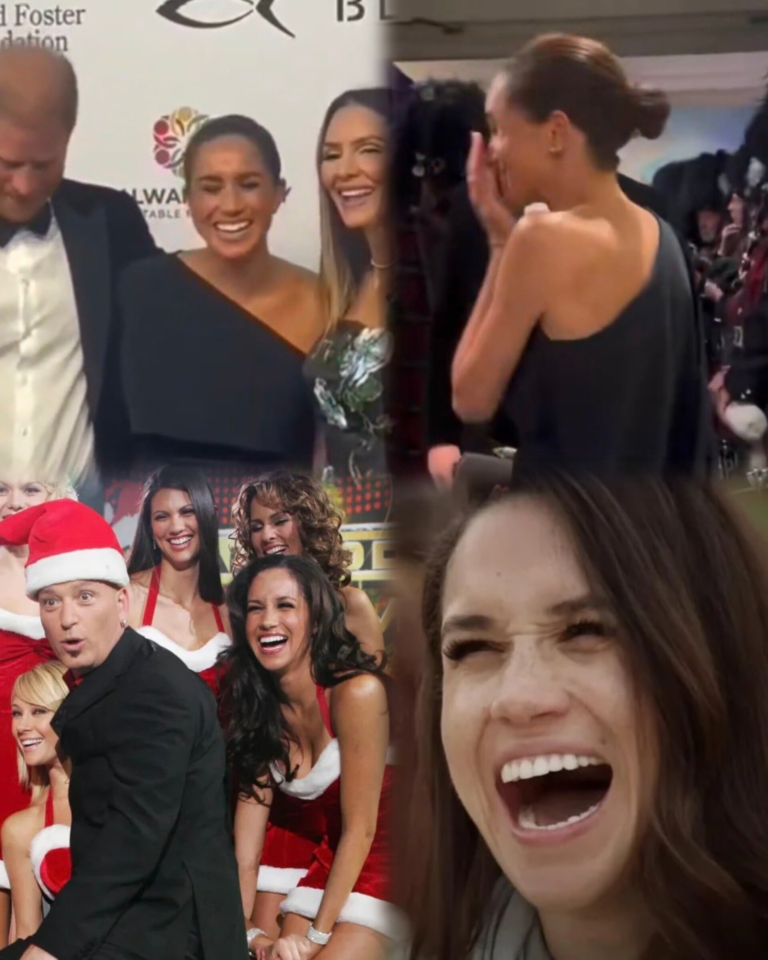
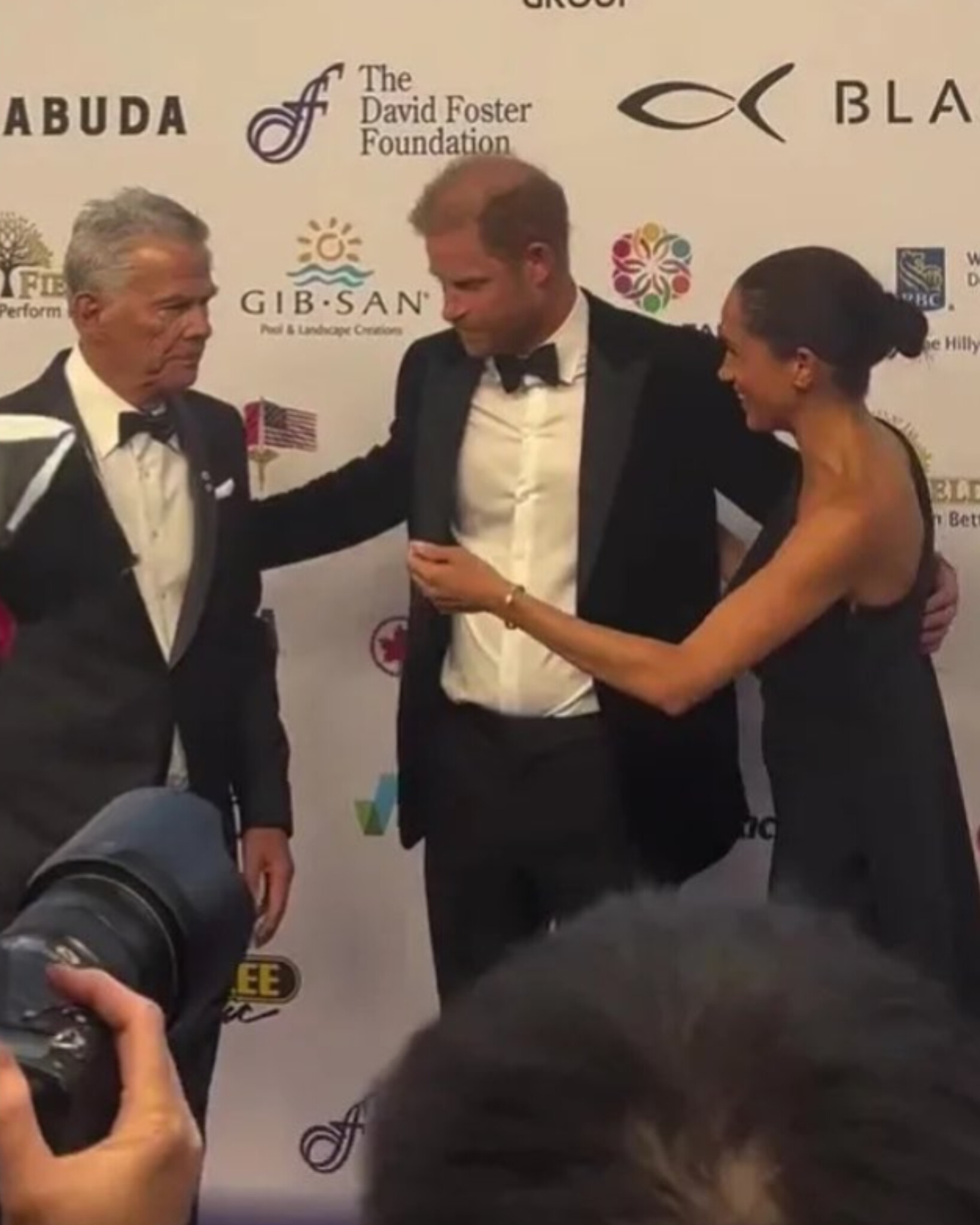
The same pattern repeated at David Foster’s foundation gala earlier this month. A red-carpet clip circulated showing Foster walking past Meghan as she reached out. Instant “snub” headlines. Foster, the host of his own charity event raising millions for families with children needing organ transplants, was forced to issue a public statement: he had already greeted his “dear friends” the Duke and Duchess ten minutes earlier at the entrance. The moment was simple positioning for photographs. Media had turned ordinary red-carpet logistics into a “hurtful lie.” Once again, the host of the night had to defend himself against the suggestion that he had disrespected his guests.
Then came Martha Stewart. In a recent interview the lifestyle icon mentioned attending a California dinner with Meghan shortly after the Sussexes’ family trip to see King Charles. Stewart said Meghan had been talking about the palace visit. Within days a source pushed back hard, calling Stewart’s account “simply untrue” and insisting Meghan barely said more than that the family had a good time. Another high-profile figure forced to have the record corrected.
This is the move. Get the preferred version circulating early. Let the awkwardness or blame land elsewhere. Let everyone else scramble while the story is already out there. You don’t need your version to hold up forever—you just need it to travel first.
After years of insisting they left royal life for freedom from the spotlight and control, Harry and Meghan still treat every invitation as a stage that requires managing. They want it known they were invited. They want it known they belong among the A-list. They want it known they weren’t snubbed. And when the narrative slips, someone else gets handed the cleanup job.
Most people in that world simply go to the party. These two go for the PR opportunity that comes with it—and somehow leave a bigger mess than if they had just shown up, supported the host, and kept quiet. The pattern is now so consistent it has become exhausting for everyone forced to share a room, a red carpet, or a dinner table with them.