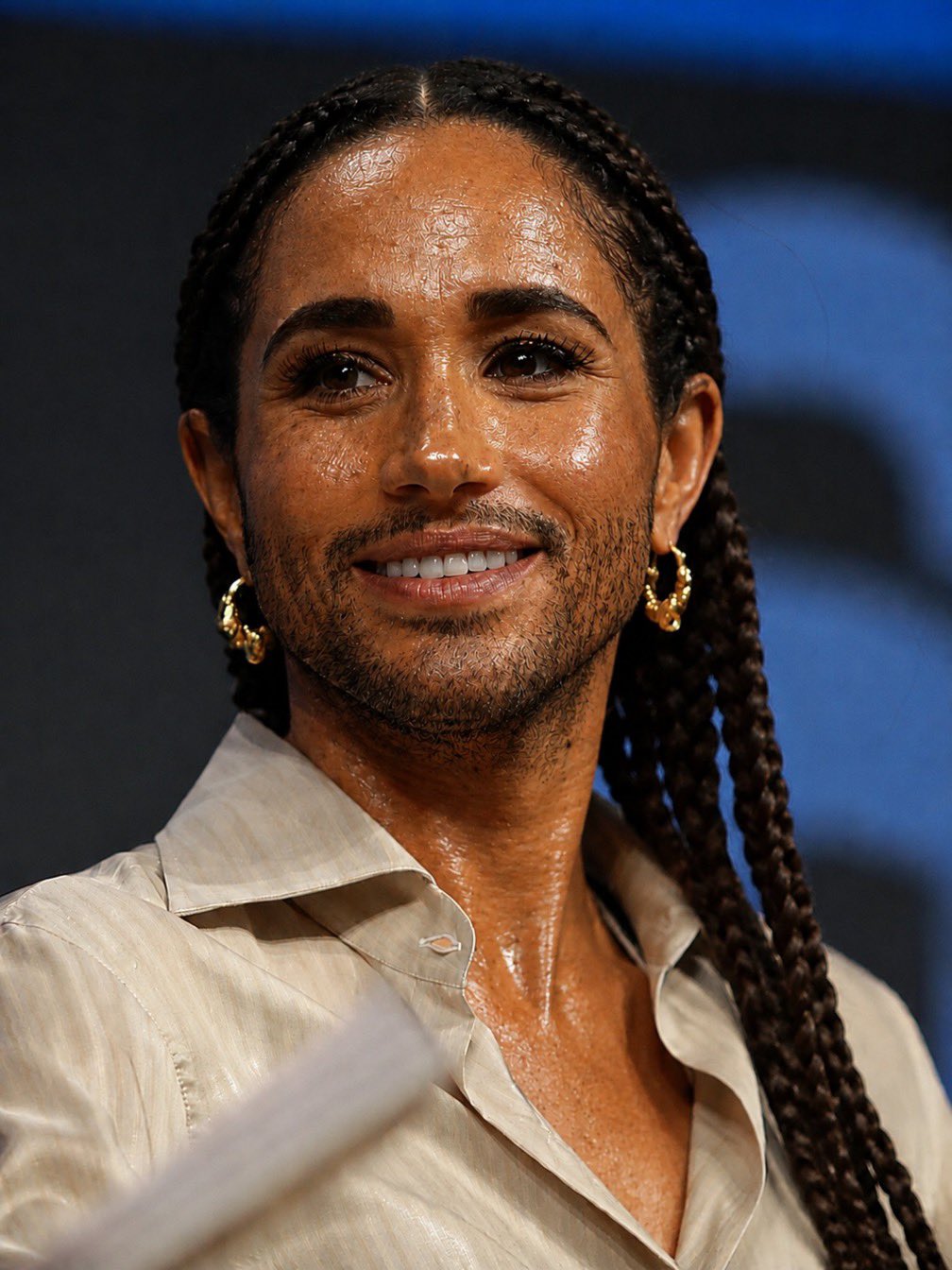
A scathing new meme featuring a heavily edited photo of Meghan Markle has exploded online, once again dragging the Duchess of Sussex’s carefully crafted “humble origins” narrative into the spotlight—and it does not look good for her or Prince Harry.
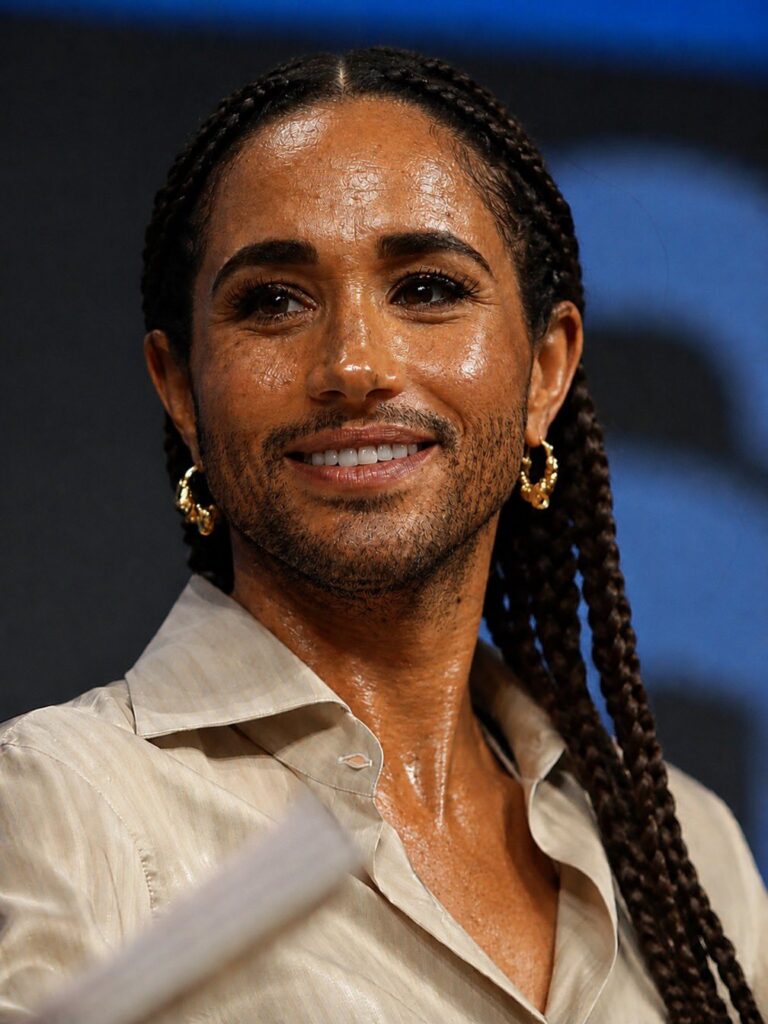
The image, paired with the caption “I grew up on a $4 Caesar salad,” shows Markle with an unmistakable full beard and mustache. It is a brutal visual punchline aimed squarely at her 2021 open letter to U.S. politicians in which she claimed she “grew up on the $4.99 salad bar at Sizzler” and that even a five-dollar meal out felt special because her parents worked so hard. The post has been widely shared as the latest reminder that Meghan’s rags-to-riches story has been repeatedly contradicted by the people who actually lived it with her.
Her own father, Thomas Markle, wasted no time calling the claim out years ago. “She’s never, ever, ever had to worry about anything like that in her life,” he told The Sun. “We’d do the best restaurants in town and we’d do Sizzler because it was convenient. We never had to rub our pennies together and just have the salad bar. She had the salad bar—but she had a meal as well.” Thomas Markle, a Daytime Emmy-winning lighting director who won a substantial lottery payout when Meghan was a child, also paid for her private Catholic school education. Her half-brother Thomas Markle Jr. has been equally blunt, dismissing her Netflix-era claims of being a “latchkey kid” raised on fast food and TV dinners as “malarkey stories.” “We weren’t poor,” he said. “She never had to scrape for anything.”
Yet Meghan has continued to lean on this exaggerated hardship narrative for sympathy and political capital while living in a multi-million-dollar Montecito mansion, launching commercial ventures, and jetting around the world. Critics argue the pattern is clear: rewrite family history, alienate relatives who refuse to play along, then wrap the whole performance in activism and “truth-telling.”
Prince Harry has been no better. Rather than encourage his wife toward honesty or reconciliation, he has repeatedly amplified her grievances—most famously in the Oprah interview and their Netflix series—while demanding taxpayer-funded security on visits to the UK, complaining when it is denied, and publicly battling the very institutions that raised him. Recent years have only sharpened the picture: high-profile legal losses, flops such as a Girl Scout cookie documentary that was outgrossed by a cat-video compilation, accusations of “faux royal tours,” and ongoing reports of tension over money and relevance. Harry’s decision to walk away from royal duties while still trading on the titles and the family name has left many viewing the couple as entitled opportunists who left chaos in their wake and now demand perpetual special treatment.
The viral bearded-Meghan meme is crude, yes—but it lands because it captures the gap between the carefully curated image and the documented reality. Meghan Markle did not grow up scraping by on $4 salads. She grew up in relative comfort, attended private school, and later reinvented herself as a victim of circumstance whenever it suited the brand. Prince Harry, once a working royal with a clear role, has chosen to enable and defend that reinvention at the cost of his own family and public goodwill.
The internet’s latest jab may be unflattering, but the underlying criticism is rooted in facts the Sussexes have never successfully refuted. When even your own father and siblings refuse to endorse the story, the problem isn’t the meme. It’s the myth.