As Prince Harry and Meghan Markle prepare their much-hyped return to the United Kingdom later this month, one question is already dominating conversations among royal watchers and ordinary Britons alike: how long before the pair start parading their young children as emotional props to claw back public goodwill they systematically destroyed?
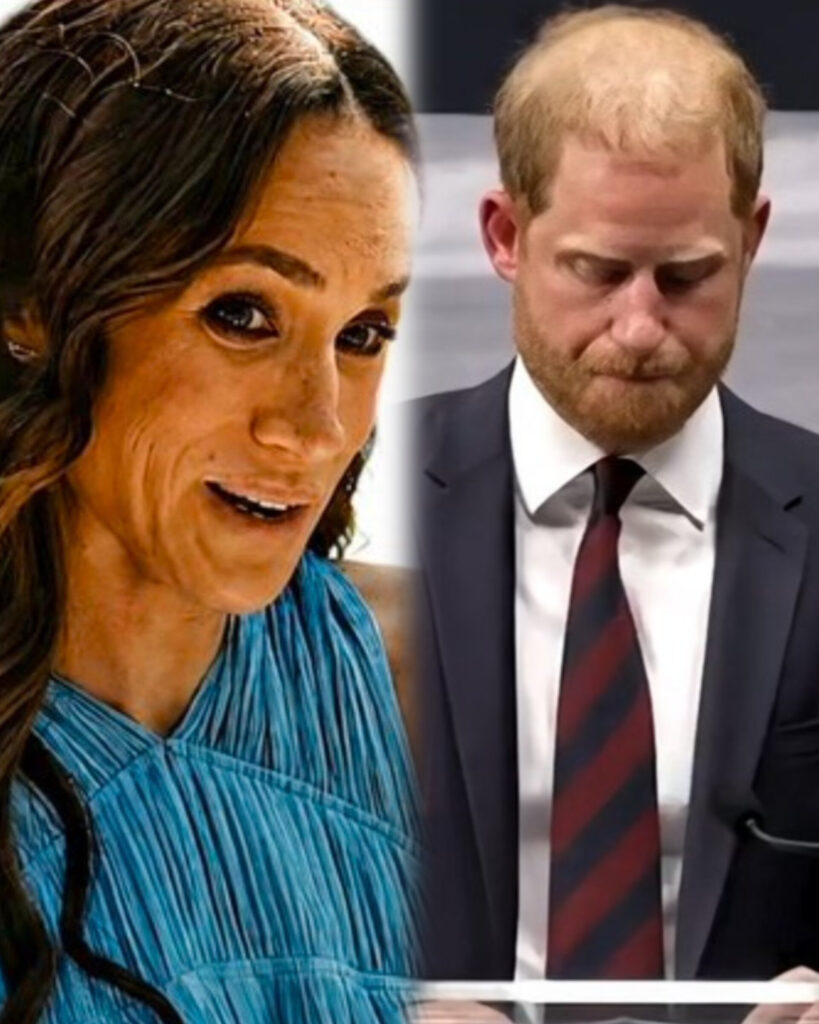
The couple, who quit royal duties in 2020, relocated to California, and spent years publicly eviscerating the monarchy, the British media, and large parts of British society, are now moving back with Prince Archie, 7, and Princess Lilibet, 5. The children are reportedly enrolled to start at a British school in September. Official lines stress privacy and a quiet life outside London. Critics see something far more calculating.
After years of accusing the Royal Family of racism, neglect, and institutional hostility — claims aired in the Oprah interview, the Netflix series, and Harry’s memoir Spare — the Sussexes face a British public that remains deeply unimpressed. Recent polling paints a stark picture. Favourability for Meghan languishes in the high teens to low twenties, with unfavourable views routinely exceeding 50-60 percent. Harry fares only marginally better. A Mail on Sunday poll this week found just 27 percent support their return, 34 percent oppose it, only 2 percent believe taxpayers should fund their security, and 43 percent think the couple should apologise for the racism implications.
Many Britons view the pair as having bitten the hand that fed them, then fled to America to monetise their titles and grievances. Now, with their California media ventures cooling and Hollywood opportunities reportedly mixed, the sudden decision to bring the children “home” for schooling looks to sceptics like a classic image-repair strategy. Innocent children become the soft-focus backdrop designed to generate sympathy, soften hard hearts, and create photo opportunities that distract from the earlier scorched-earth approach.
Harry has previously insisted he could not safely bring his family to Britain without taxpayer-funded protection — a claim the public has roundly rejected. Yet here they come. Sources close to the couple emphasise privacy and that the children will not feature in public engagements. That has done little to quiet the suspicion that carefully controlled glimpses, school-related stories, or family “moments” will soon appear, timed to humanise two adults whose own public behaviour has left large parts of the country cold.
The pattern is familiar. When the couple needed narrative leverage in the past, family details and personal pain were deployed with precision. Critics argue the same playbook is being dusted off: use the next generation as a shield against residual anger over the couple’s earlier attacks on the institution that gave them status, security, and global platforms.
British reaction so far has been largely unsentimental. Social media and street interviews reflect fatigue more than excitement. Many simply do not care; others actively resent the prospect of the Sussexes testing the waters for a soft relaunch while still holding titles and the residual privileges that come with them. King Charles is said to welcome private contact with his grandchildren. That private goodwill does not appear to extend to the broader public, which continues to draw a firm line against any return to working-royal status or state-funded perks.
If history is any guide, the temptation to soften the edges of public hostility by showcasing the children will prove strong. Whether the British people will accept that particular form of emotional blackmail remains highly doubtful. The Sussexes spent years telling the world how toxic Britain was for them. Now that they need something from the same country — acceptance, space, perhaps a fresh start for their brand — the children risk becoming the most convenient tool in the kit.
The public has already made its feelings clear in successive polls. Deploying Archie and Lilibet as goodwill ambassadors is unlikely to change that. It may only deepen the sense that, once again, everything is transactional.
The coming weeks will reveal whether Harry and Meghan can resist the urge. Given their track record, few are holding their breath.