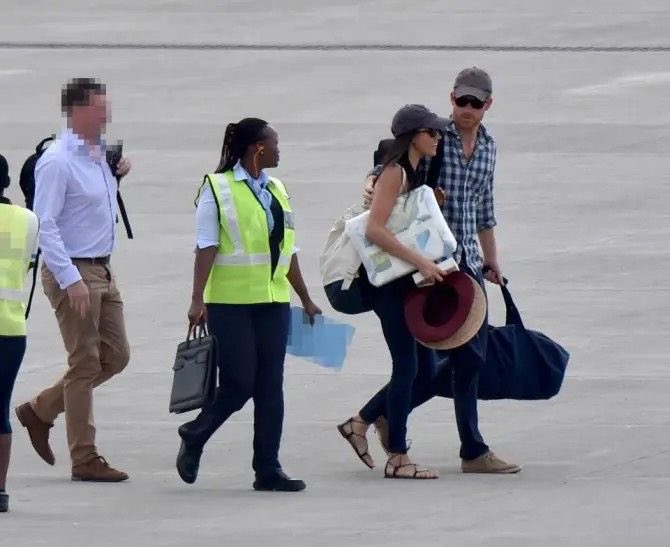
Prince Harry’s life has been a public spectacle from the moment he married Meghan Markle. What was once hailed as a modern fairy tale now teeters on a precipice of speculation, scrutiny, and the weight of choices made years ago.
In 2018, Harry and Meghan’s wedding captivated the world. Star-studded, glamorous, and breaking tradition, it promised a new era of royal innovation. Seven years later, observers are questioning if the magic ever truly existed.
Since stepping back from senior royal duties, the couple relocated to California seeking freedom and privacy. The move, unprecedented for modern royals, was meant to provide independence, peace, and an escape from relentless scrutiny.
Yet despite distance, Harry’s words hint at longing. In a recent essay, he praised Britain, his homeland, in ways he rarely had before. Observers read this as a subtle expression of homesickness, a yearning for familiarity, and perhaps regret.
Public and media reactions have been relentless. Every appearance, statement, and gesture by the couple has been dissected, leaving fans and critics alike speculating about the state of their marriage and mental well-being.
Some suggest Harry may be considering a partial return to the UK. Phrases in his essay such as “I currently live in the United States, but Britain will always be my home” fuel speculation about whether he is reconciling desire for independence with nostalgia.
The scrutiny extends to Meghan, whose every move continues to be analyzed. Critics have labeled her narcissistic and manipulative, while supporters highlight the pressures and racialized media coverage she has endured since joining the royal family.
Harry’s California life, once framed as an escape, now appears conflicted. Observers note his public appearances often coincide with William’s, sparking theories of sibling rivalry and strategic misalignment. Some claim it is deliberate; others say it is coincidence.
Despite attempts at privacy, the couple remains inescapably public. From Netflix projects to high-profile events, their lives are constantly under the lens. Even intimate moments, like a Dodgers game celebration, have been shared publicly and interpreted in multiple ways.
Financial independence has not shielded them from criticism. Their brand has faced setbacks: Spotify dropped projects, Netflix scaled back commitments, and media commentary often frames them as fading figures in royal relevance.
Observers note a pattern: Harry is caught between the past he left behind and the life he tried to build in America. Some interpret this as homesickness, others as emotional strain, hinting at the immense pressures of navigating royal and personal expectations.
Royal experts highlight the difficulty of their position. By stepping back from official duties, they challenged centuries of protocol. Yet by speaking publicly, they also face scrutiny that would follow any royal figure, regardless of distance.

For Harry, nostalgia and longing intersect with duty and loyalty. The tension reflects the broader challenges of reconciling personal happiness with the expectations imposed by heritage, public image, and familial responsibilities.
Meghan’s role in this story is central. The couple’s dynamic, perceived by some as manipulative or performative, underscores the scrutiny placed on their marriage. The interplay of love, strategy, and public perception defines much of the discourse.
Ultimately, the Duke of Sussex’s potential “return” remains uncertain. Is it a search for reconciliation, a cry for support, or simply a reflection of his complex emotions tied to home, family, and legacy? Only time will tell.
For the public, the story serves as a window into royal life’s complexity. It highlights the conflict between personal freedom and public expectation, love and legacy, as well as ambition and identity within the monarchy.

Harry and Meghan remain figures of fascination. Whether they return partially, fully, or not at all, their choices illuminate the pressures, sacrifices, and emotional costs of living in the spotlight.
Their saga continues to evoke debate, sympathy, and intense curiosity. The question lingers: can love, loyalty, and personal truth survive the relentless glare of tradition and global scrutiny?
As observers, we can only watch as the couple navigates their path forward, balancing past decisions with future possibilities, all under the public’s unblinking gaze.