Insiders Warn: Once-Inspiring Event for Wounded Warriors Now a “Vanity Project” Hemorrhaging Sponsors, Cash, and Credibility – Will 2027 Be the End?
LONDON – The Invictus Games, the high-profile sporting event launched by Prince Harry to champion wounded, injured, and sick service personnel, is teetering on the edge of irreversible decline, according to mounting concerns from veterans, former insiders, and financial watchdogs. What began as a powerful platform for resilience and recovery has been overtaken by a relentless Sussex media machine, where photo-ops, celebrity branding, and personal image management now eclipse the very athletes the Games were meant to honour.
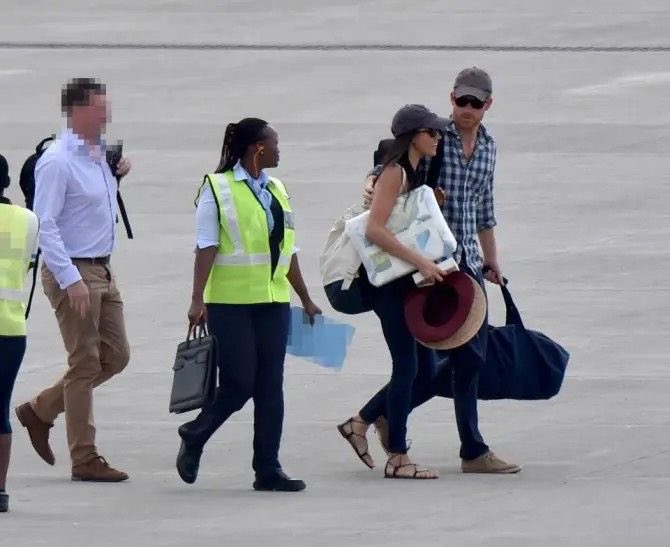
Veterans who once stood front and centre as the undisputed stars are increasingly sidelined in coverage dominated by Harry and Meghan Markle’s glossy appearances, staged moments, and high-profile travel. The powerful mission that earned global respect appears lost in a fog of spectacle, raising urgent questions: Has Prince Harry’s flagship project become little more than a vehicle for Sussex self-promotion?
From Noble Mission to Mission Drift
When Prince Harry founded the Invictus Games in 2014, the concept was straightforward and deeply moving. Inspired by his own experiences in the British Army, the event aimed to celebrate the extraordinary strength of military personnel who had sacrificed so much. No glitzy red carpets or A-list endorsements were required — the raw stories of recovery, determination, and triumph from the competitors themselves provided all the inspiration needed.
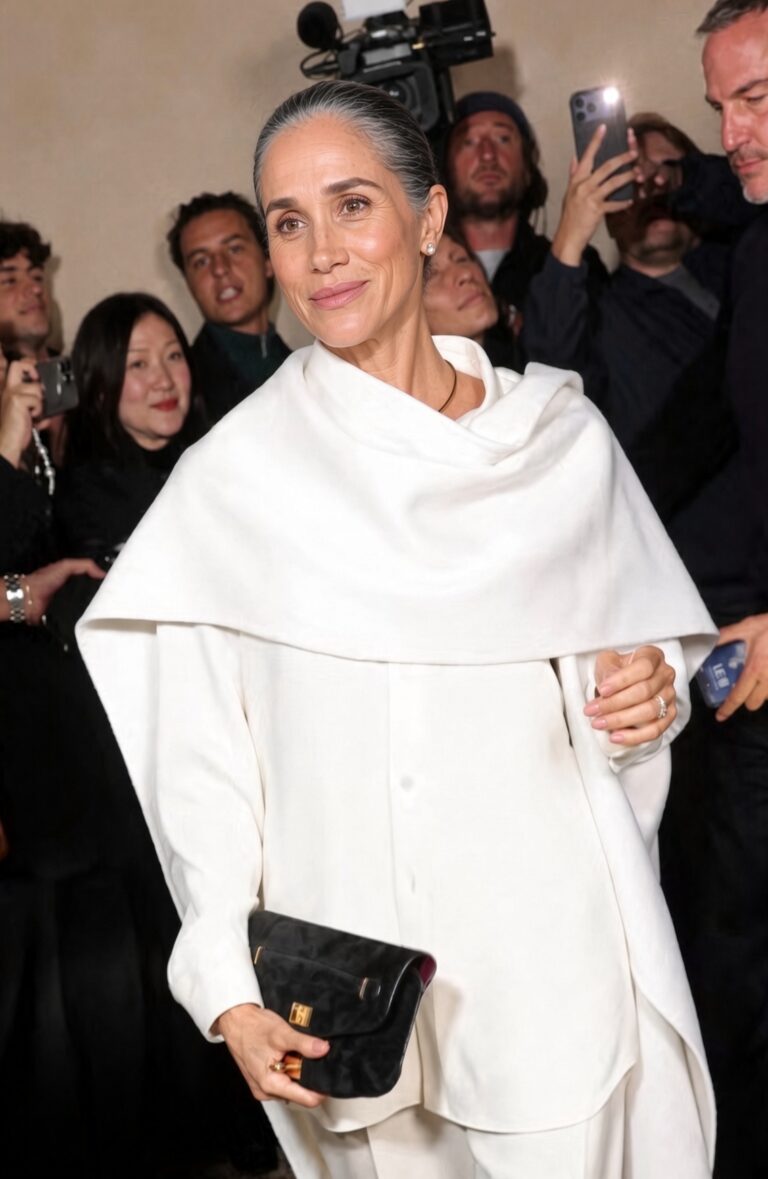
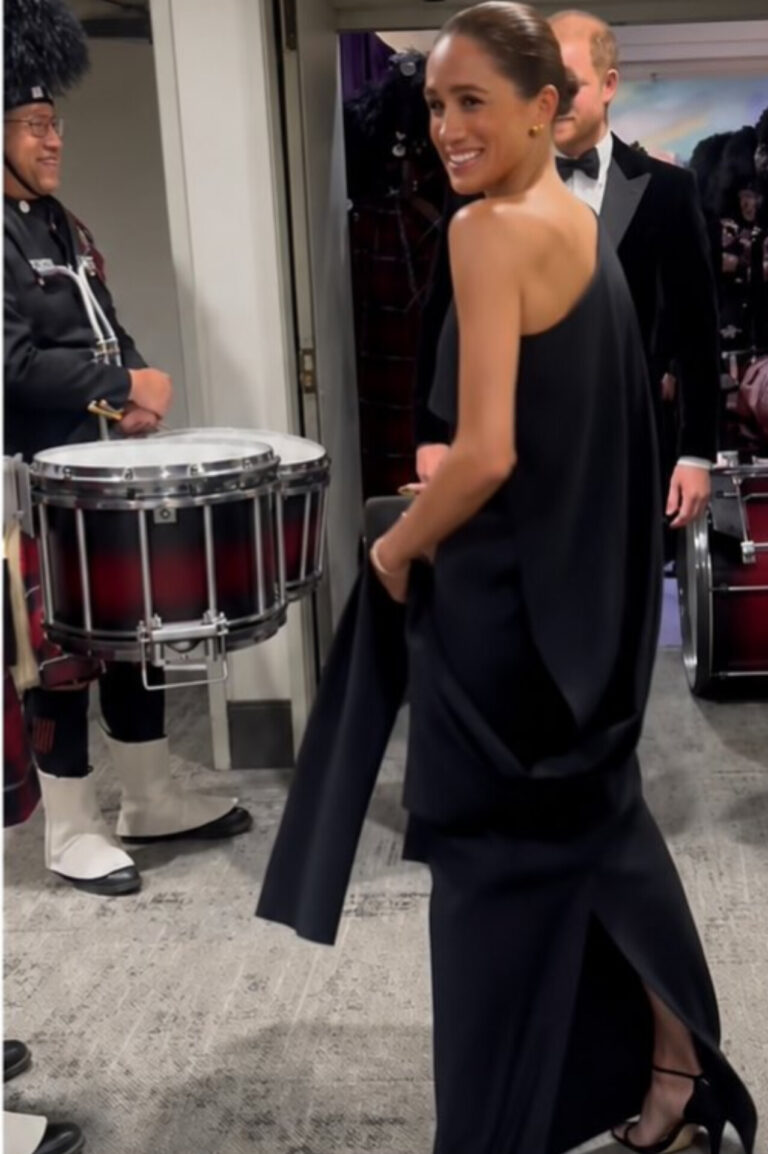
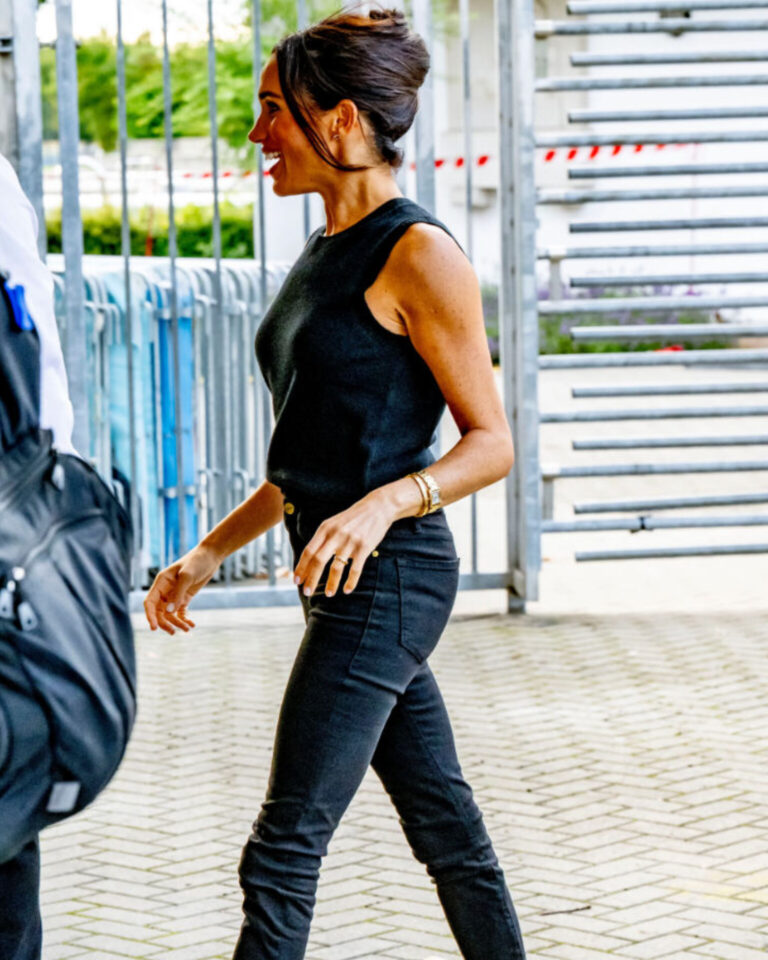
Yet sources close to the organisation paint a troubling picture of how far things have strayed. Coverage of recent Games has been flooded with images of the Duke and Duchess of Sussex, their coordinated outfits, and carefully choreographed public appearances. Veteran achievements and emotional recovery journeys are relegated to footnotes while the Sussex brand takes centre stage.
This shift isn’t just cosmetic. Financial decisions at the Invictus Games Foundation have sparked alarm. In a single year, direct grants to veteran organisations were slashed by a staggering 63%, even as the foundation’s reserves reportedly swelled. At the same time, spending on logistics, high-profile travel, and elaborate production elements has climbed sharply.
Major corporate backers are heading for the exits. Boeing, once a key supporter, has pulled its sponsorship amid growing unease. Experienced trustees have continued to depart the board, with whispers of frustration over direction and decision-making. Questions about transparency and fund allocation are growing louder, with calls for independent audits gaining traction.
One former advisor, speaking on condition of anonymity, told reporters: “The veterans were always the story. They never needed the circus. Now it feels like the circus is the only story — and the money is following the spotlight instead of the athletes.”
The Human Cost Behind the Headlines
For the wounded warriors the Games were created to support, the consequences are real and painful. Many competitors rely on the foundation’s grants for ongoing rehabilitation, adaptive sports programmes, and mental health support long after the closing ceremony. A 63% cut isn’t just a line item — it translates to fewer opportunities, reduced access to life-changing resources, and a sense of abandonment for those who have already given everything in service.
Meanwhile, the foundation’s reserves continue to grow, raising eyebrows among charity governance experts. Why hoard cash while cutting support for the very community the organisation exists to serve? Critics argue that funds appear increasingly directed toward maintaining the event’s prestige and the Sussex profile rather than grassroots veteran welfare.
Social media and mainstream coverage have amplified the problem. Search results for recent Invictus events are dominated by Harry and Meghan fashion analyses and “couple goals” commentary, pushing heartfelt interviews with amputee athletes or stories of post-traumatic growth further down the page. The powerful narrative of resilience is being diluted by celebrity branding.
Birmingham 2027: Last Chance for Redemption?
With the next Invictus Games scheduled for Birmingham in 2027, the organisation stands at a crossroads. Insiders say urgent reform is needed if the event is to survive with any credibility:
- Veterans First: Place competitors and their stories at the absolute heart of all messaging, programming, and media strategy. No more overshadowing the athletes.
- Full Financial Transparency: Publish clear, audited breakdowns of spending, grants, and reserves to rebuild trust.
- Resource Reallocation: Direct more funding toward athlete welfare, training programmes, and long-term support rather than spectacle and travel.
- Reduce the Circus: Dial back the celebrity focus and staged moments that have come to define the brand.
Without these changes, many fear Invictus will be remembered not as a beacon for wounded warriors, but as a Sussex vanity project that ultimately failed the very people it claimed to champion.
Prince Harry has long spoken passionately about his commitment to veterans. Supporters argue the intense media scrutiny around his wife and their post-royal life has made balanced coverage difficult. However, even loyal voices within the military community say the current trajectory is unsustainable.
A senior veteran involved in adaptive sports programmes summed up the growing frustration: “We don’t need another royal PR vehicle. We need the Games we were promised — one where the warriors are the heroes, not the backdrop.”
Time Is Running Out
The Invictus Games once represented something pure in a cynical world: a celebration of courage, recovery, and the unbreakable human spirit. That spirit still exists in the athletes who compete. But unless the foundation acts decisively to put veterans back front and centre — in both narrative and budget — the project risks fading into irrelevance or, worse, becoming a cautionary tale of good intentions lost to fame and spectacle.
The clock is ticking toward Birmingham 2027. The question now is whether Prince Harry and the Invictus leadership will seize this moment to reset, or whether the Sussex media circus will continue to consume what remains of a once-inspiring movement.
Veterans who served their countries with honour deserve better than to become supporting cast in someone else’s brand story. The time for change is now — before it’s too late.