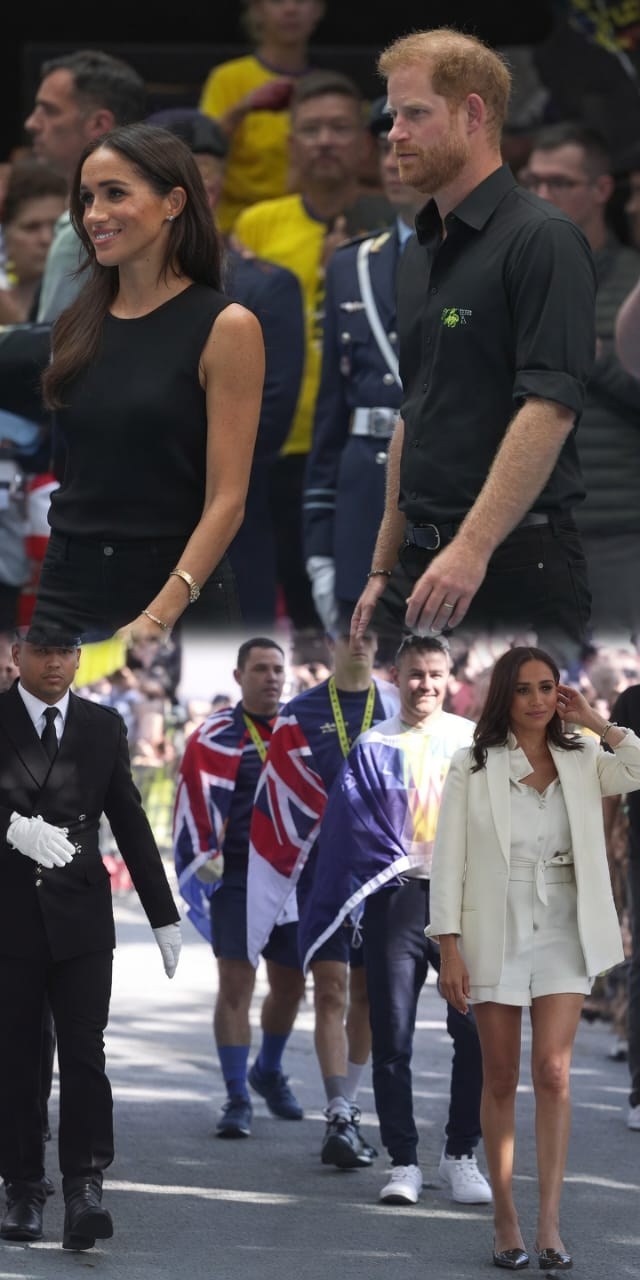
In a damning new light being cast on the once-beloved Invictus Games, explosive claims are rocking the charity world: the adaptive sports event founded by Prince Harry for wounded veterans was running smoothly and on a shoestring budget—until Meghan Markle “forced her presence” into the spotlight, triggering a budget explosion that has left critics fuming and athletes questioning where the millions are really going.
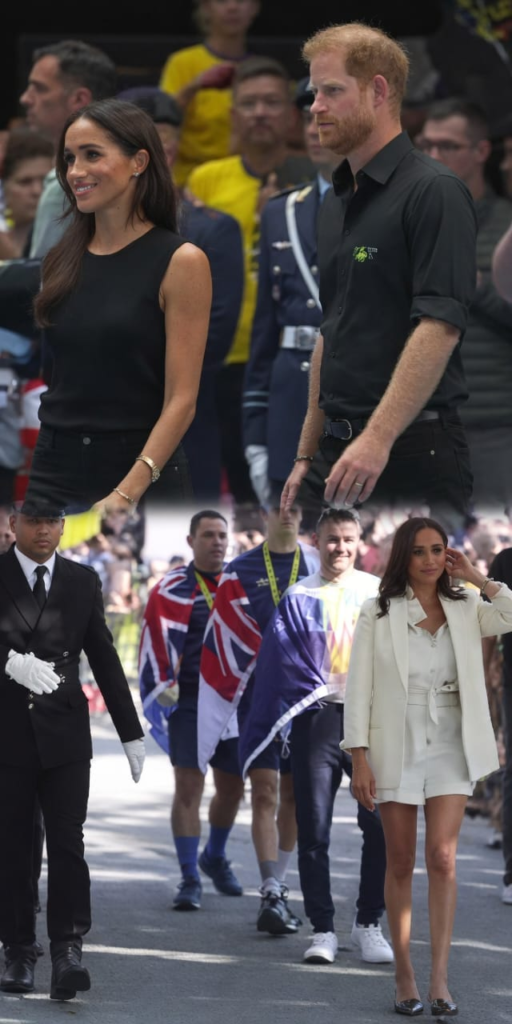
The Invictus Games launched in 2014 as Prince Harry’s passion project, a heartfelt tribute to injured service members inspired by his own military experience. The inaugural London event was a modest affair: just a few hundred thousand pounds to host 300 competitors from 13 nations. No fanfare, no celebrity circus—just pure focus on the heroes. Early editions stayed lean. By 2017, costs had risen modestly to around £11 million. Veterans competed, recovered, and reconnected without the spectacle of red carpets or designer glam squads.
Then everything changed.
Meghan Markle entered the picture in 2016, and by the 2017 Toronto Games—where the couple’s relationship went public—the event’s ethos allegedly shifted. Insiders and critics now point to a pattern: her high-profile involvement coincided with a meteoric rise in spending. Fast-forward to the 2025 Vancouver and Whistler Games, and the numbers are jaw-dropping. The final tally? A staggering $63.2 million CAD—roughly $118,000 per competitor for just 543 wounded veterans from 23 nations. That’s not pocket change. That’s life-altering money that could have bought prosthetics, home modifications, or vehicles for dozens of heroes instead of funding what detractors call a “Meghan Markle show.”
“Just look at the numbers before Meghan entered the scene and compare it to the sudden increase,” one viral X post from @MeghansMole declared, amassing thousands of views and shares in hours. “The Invictus Games had no problems UNTIL Meghan Markle forced her presence and the budget SKYROCKETED. Demanding MILLIONS while veterans continued to pay their own way.”
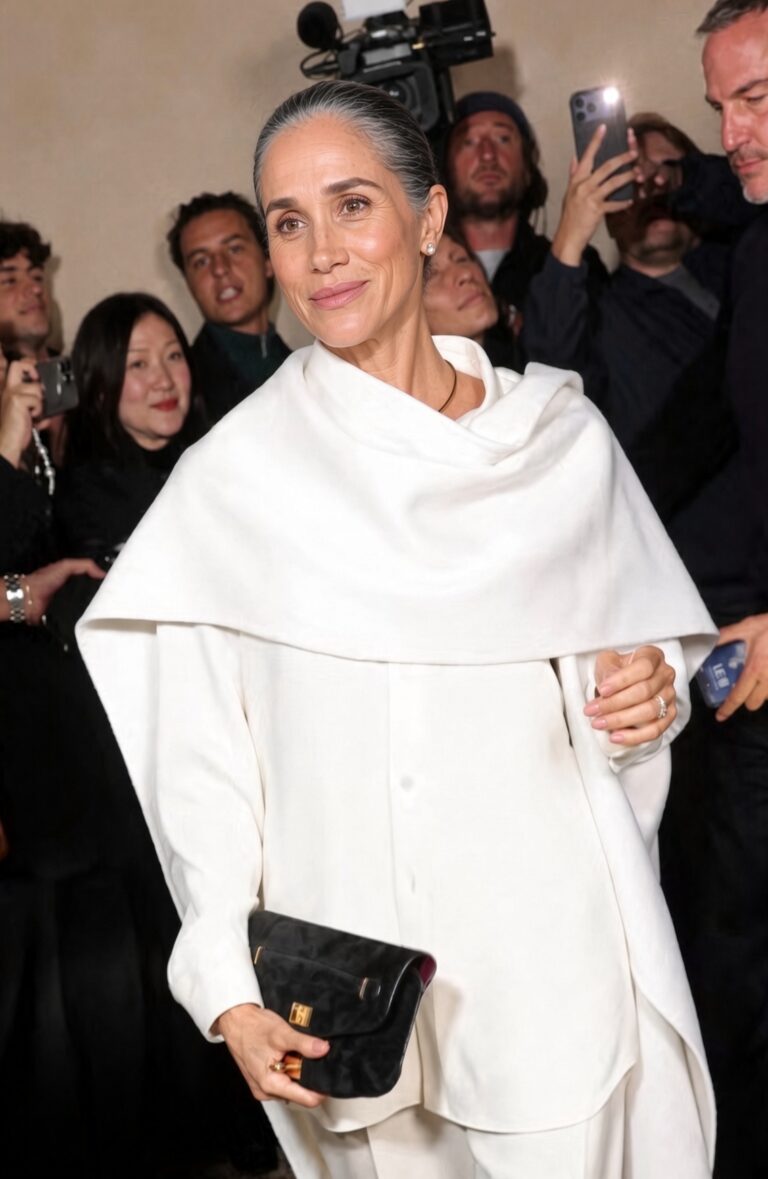
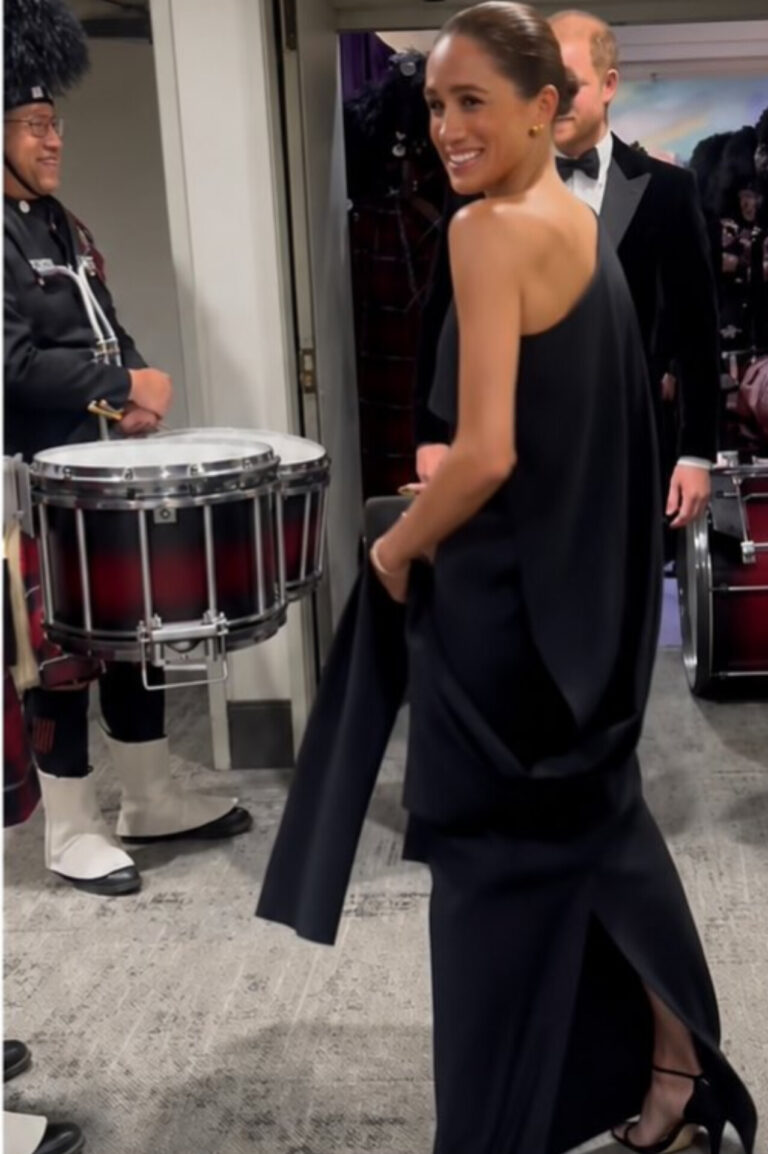
The post, accompanied by videos highlighting her prominent role at recent events—including strutting in stilettos and leading processions—has ignited a firestorm. Supporters of the narrative argue that Markle’s arrival didn’t just add glamour; it ballooned operational costs through lavish accommodations, marketing overhauls, and what some call “unnecessary celebrity demands.” Wardrobe alone became headline fodder: at one set of Games, her outfits reportedly topped £200,000 in a single appearance cycle—eclipsing prior years by £160,000. Critics question why taxpayer and donor funds footed the bill for five-star hotels, private jets, and a full entourage when the focus was supposed to be on the athletes.
Compare that to peer events. The U.S. Warrior Games operates on a fraction of the budget—around $2 million annually for a similar number of participants, covering all travel and lodging for competitors. Germany’s equivalent event? Just $200,000 for half the athletes. Yet Invictus, under the Sussexes’ orbit, has seen costs per veteran soar while the Invictus Games Foundation slashed direct grants to veteran organizations by a shocking 63% in 2024—from £535,000 to just £200,000. At the same time, the foundation’s cash reserves swelled to £2.3 million, a new six-figure executive role was added, and its top earner pocketed £120,000–£130,000—well above UK charity norms.
Veterans and watchdogs are demanding answers. “That’s life-changing money,” one analyst told NewsNation, referring to the $118k-per-athlete figure. “Would the veterans have preferred $117,000 for new prosthetics or accessible homes?” Public funding has shouldered much of the load: in Vancouver, Canadian taxpayers covered half via federal and provincial contributions routed through a licensing fee to the UK-based foundation. Individual donations? “Near nonexistent,” per reports. Corporate sponsors are fleeing—Boeing pulled out amid the scrutiny—and future events like Birmingham 2027 face a projected £45 million midpoint budget, with the UK government committing £26 million despite local bankruptcy woes.
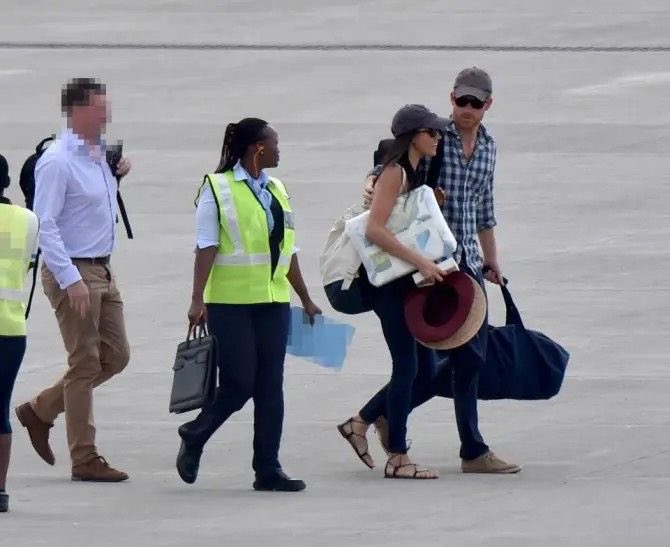
Australia’s recent decision to axe $9 million in funding for Invictus Australia’s national programs—announced right after Harry and Meghan’s high-profile visit—has only fueled the outrage. The timing? No coincidence, say skeptics. The couple’s tour included receptions and photo-ops that some viewed as self-promotional, not veteran-centric. One veteran advocate called it “disrespectful,” noting Meghan’s parade-like march in casual beachwear ahead of uniformed heroes drew cringes worldwide.
Defenders of the Games insist the budget supports “life-changing experiences,” expanded broadcasting, and legacy funds. The 2025 event hit a “balanced” $63.2 million with revenues from governments, 40+ corporate partners, tickets, and merch. But where’s the transparency on itemized spending? Redacted licensing fees and vague “operations” lines (accommodations, catering, marketing) totaling tens of millions have raised eyebrows. Tom Bower’s book Betrayal alleges funds have gone toward the Sussexes’ private jets, luxury transport, and hotels—claims the foundation has not fully rebutted.
Harry founded Invictus with noble intent: to showcase the resilience of wounded warriors through sport. Pre-Meghan, it was grassroots magic. Post-involvement, it morphed into a global brand with Hollywood production values. The couple’s Netflix deals, Spotify exits, and lifestyle empire have only amplified perceptions of Invictus as a “personal slush fund.” One X commenter nailed it: “Invictus became the ‘Meghan Markle show’ and Harry and Meghan’s personal slush fund. That was when the problems started.”
Even body language at events has sparked debate—Harry appearing detached while Meghan commanded the spotlight, hand curved around his in early public appearances. Critics argue she “wormed her way in,” pushing for bigger sponsorship demands (like the alleged Audi polo fallout) and turning charity into commerce.
The Invictus Games Foundation and Sussexes have not commented directly on the budget backlash, but the crisis is mounting: board resignations, sponsor exits, and soldiers threatening to boycott over lost focus. One MP and veterans’ groups are calling for audits. “Where did the money go, Harry?” demands echo across social media.
This isn’t just about spreadsheets—it’s about priorities. Wounded veterans deserve every penny for recovery, not a platform for celebrity reinvention. As the 2027 Birmingham Games loom with another ballooning budget, the question hangs heavy: Can Invictus reclaim its roots, or has Meghan Markle’s “forced presence” turned a veterans’ triumph into an unsustainable spectacle?
The numbers don’t lie. The heroes who sacrificed for their countries shouldn’t have to foot the bill—literally or figuratively—while millions vanish into the machine. It’s time to call it out. Veterans first. Always.