Inside the stark differences between the People’s Princess and the Hollywood Duchess – experts say imitation isn’t enough
In a world obsessed with royal reinventions, Meghan Markle has once again thrust herself into the spotlight by channeling the late Princess Diana. From carefully selected outfits echoing Diana’s iconic style to meticulously staged poses that mirror the beloved royal’s most famous photographs, the Duchess of Sussex appears determined to position herself as “Diana 2.0.” Yet, as new scrutiny emerges, many are questioning whether all the surface-level similarities can ever bridge the profound gap in substance and authenticity that defined Diana’s enduring legacy.
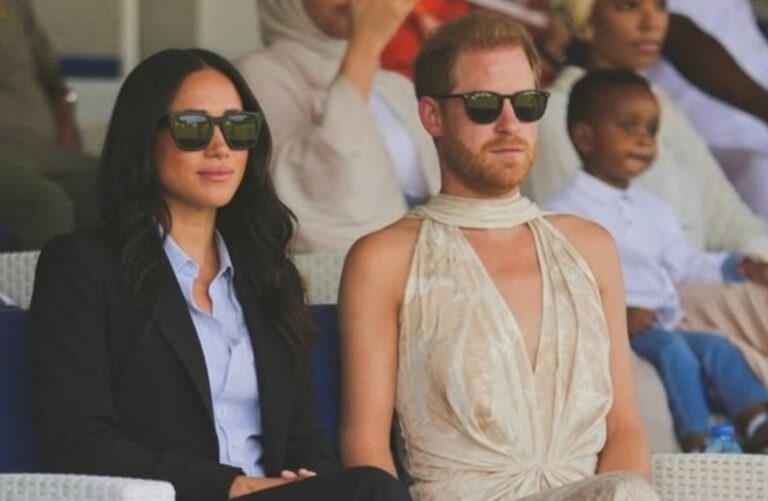
The latest wave of comparisons exploded after Meghan’s recent public appearances and interviews, where observers noted striking parallels to Diana’s mannerisms, expressions, and even her signature compassionate gaze. Tabloids and social media have been flooded with side-by-side images: Meghan in flowing dresses reminiscent of Diana’s 90s elegance, tilting her head with that same empathetic lean, and engaging crowds in ways that seem engineered to evoke the memory of the People’s Princess. PR strategists have reportedly been working overtime, with sources claiming endless articles and paid placements aimed at cementing this narrative.
But according to royal watchers and those familiar with Diana’s inner circle, the campaign misses a fundamental truth. “You can copy the clothes. You can copy the poses. You can even flood the media with stories trying to sell ‘Diana 2.0,'” one insider remarked. “What you can never copy is why people loved Diana in the first place.”
The Authenticity Gap
Princess Diana’s connection with the public was never manufactured. It wasn’t the product of focus groups, leaked stories, or high-paid Hollywood PR machines. It stemmed from raw, unscripted moments that revealed genuine compassion, warmth, and vulnerability. Whether hugging an AIDS patient at a time when fear dominated the conversation, walking through minefields in Angola to highlight forgotten victims of war, or simply sitting on the floor with children in hospitals, Diana’s empathy felt instinctive and real. People didn’t just see a royal – they felt seen by her.
Meghan Markle, by contrast, has built her post-royal brand through polished Netflix deals, Spotify podcasts, and tell-all books that often positioned her as an outsider challenging the institution. While her advocates praise her advocacy for mental health and women’s issues, critics argue these efforts frequently come wrapped in layers of celebrity production value rather than the quiet, personal touch that defined Diana.
The recent curtsy controversy perfectly encapsulates this divide. In a widely viewed interview, Meghan turned the traditional royal curtsy into light-hearted mockery for a global audience, framing it as an absurd relic. Diana, even amid her well-documented struggles and disagreements with the monarchy, maintained a deep respect for the institution – particularly understanding that her son William’s destiny was intertwined with its future. She carried herself with grace and dignity, balancing personal pain with public duty. Meghan’s approach, detractors say, appeared more focused on entertaining viewers and highlighting her own discomfort than honoring the traditions her husband was born into.
Surface Imitation vs. Lasting Legacy
Fashion historians have pointed out numerous instances where Meghan’s wardrobe choices directly nod to Diana’s most memorable looks – the off-the-shoulder dresses, the power suits, the casual-yet-elegant ensembles for charity visits. Photographers have captured her replicating poses from Diana’s famous shoots, creating an almost eerie sense of déjà vu. Yet, as the provided analysis notes, “Wearing similar outfits doesn’t create the same legacy. Recreating photographs doesn’t create the same impact. Invoking Diana’s name doesn’t create the same emotional connection.”
Diana became an icon not because the media crowned her as one, but because ordinary people across the globe chose to embrace her. Her vulnerability after her separation, her fierce protection of her children, and her willingness to use her platform for causes bigger than herself resonated on a human level. It was never forced. It couldn’t be bought with narrative control or celebrity alliances.
Meghan’s efforts, while ambitious, have reportedly divided public opinion more sharply. Polls in the UK and parts of the Commonwealth continue to show lukewarm reception compared to the near-universal affection for Diana even decades after her tragic death. Supporters of the Sussexes argue that unfair media bias hinders Meghan’s genuine efforts at connection. However, skeptics maintain that the more aggressively the “Diana 2.0” narrative is pushed, the more the public sees the calculated imitation rather than organic warmth.
Public Perception and the Limits of PR
Royal commentators emphasize a key distinction: Diana’s bond with the people was reciprocal. She didn’t just perform compassion – she lived it in ways that transcended protocol. From her famous walk through an active minefield to her private letters to those she helped, her actions built trust that no amount of branding could replicate.
“No amount of media campaigning can make people see Meghan as Diana 2.0 if the public doesn’t genuinely feel it for themselves,” the analysis concludes. This sentiment echoes across forums, social media discussions, and even some former palace staffers who witnessed both women’s tenures up close.
As Meghan continues her high-profile life in California – complete with celebrity friends, business ventures, and occasional royal-adjacent projects – the question lingers: Can a carefully constructed image ever replace the irreplaceable spark of authenticity? For now, the public seems to be drawing its own conclusions, with many holding firm that while imitation may be the sincerest form of flattery, it falls far short of true succession in the hearts of those who loved Diana.
The royal family saga continues to captivate audiences worldwide, but this latest chapter highlights an uncomfortable reality for modern celebrity royals: some legacies simply cannot be manufactured, no matter how perfectly the photos are staged.