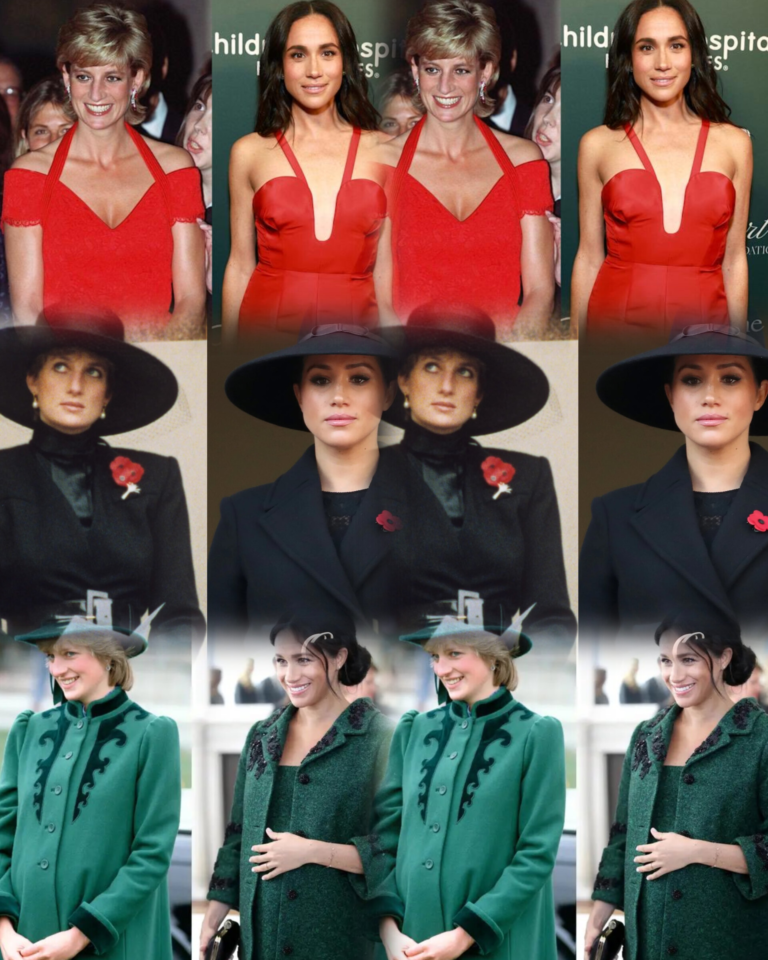
In the carefully curated world of celebrity humanitarianism, few figures have mastered the art of public compassion quite like Meghan Markle. Yet behind the polished photos and solemn expressions lies a pattern that has left many observers deeply unsettled: the Duchess of Sussex appears at sites of profound human suffering — children’s hospital wards, grieving families, and humanitarian crises — only for those very moments to be swiftly transformed into shopping opportunities.
From Bondi Beach to pediatric intensive care units and international aid visits in Jordan, Meghan’s public appearances have repeatedly followed a now-familiar script. She arrives with a face arranged in practiced concern, stands beside those enduring unimaginable hardship, and within hours — sometimes minutes — the focus shifts from the cause to the commercial. The outfits she wore during these visits suddenly appear as clickable shopping links across her social media channels and lifestyle platforms.
The Children’s Hospital Visits That Sparked Outrage
One of the most jarring examples involves Meghan’s visits to children’s hospitals. These are spaces where families are often facing the worst moments of their lives — watching their young sons and daughters battle life-threatening illnesses, undergoing painful treatments, or saying goodbye far too soon. Most public figures who enter these wards understand the gravity of the setting. They tread lightly. They understand that these moments are not content opportunities.
Yet according to critics and observers who have followed her public activities closely, Meghan’s approach has been markedly different. Photos from these visits show her in stylish, coordinated looks. Shortly afterward, those same ensembles — the tailored coats, the elegant dresses, the statement accessories — are repackaged and promoted through affiliate marketing or lifestyle features. The suffering of sick children becomes, in effect, the backdrop for a personal brand refresh.
One particularly tone-deaf instance reportedly involved a hospital visit where families were dealing with terminal diagnoses. While the room was filled with quiet grief, the subsequent online narrative quickly pivoted to “Where to buy Meghan’s hospital visit coat” and “Meghan’s empathetic look — shop the exact outfit now.” The detachment required to make that transition has struck many as profoundly troubling.
Jordan, Bondi Beach, and the Humanitarian Grift Cycle
The pattern extends beyond hospitals. During visits tied to humanitarian efforts in Jordan, where Meghan has highlighted issues surrounding refugees and vulnerable populations, similar tactics have allegedly emerged. She is photographed offering support and raising awareness, yet the visual storytelling that follows often circles back to her personal style choices. The pain of others becomes visual real estate for personal branding.
Even more casual appearances, such as her time at Bondi Beach in Australia, have drawn scrutiny. While not a tragedy site in the same vein, it fits into a broader criticism: the blending of leisure, public image cultivation, and subtle commercial undertones regardless of context. When the same approach is applied to genuine sites of hardship, the effect feels especially callous.
This isn’t simply celebrity endorsement culture. Traditional celebrities have long partnered with brands and monetized their image. What sets Meghan apart, according to her critics, is the willingness to insert commercial angles into spaces that most decent people would instinctively leave untouched. There is a line — one that separates genuine advocacy from calculated self-promotion — and many believe she has repeatedly crossed it.
The Psychological Disconnect
What does it say about a person who can stand in a children’s cancer ward, look into the eyes of parents who may lose their child, and think: “This will make excellent content for my lifestyle platform”?
Psychologists and cultural commentators have weighed in on similar phenomena in the social media age, where empathy itself can become performative. But few high-profile figures have taken it to the level allegedly displayed by the Duchess. The speed with which tragedy is converted into traffic — and traffic into revenue — reveals a level of emotional detachment that many find chilling.
“These are real people living through real suffering,” one observer noted. “Yet the attention is consistently steered back to what she was wearing and where to buy it. That shift in focus isn’t accidental. It’s strategic.”
A New Low in Celebrity Culture?
Meghan Markle has positioned herself as a global humanitarian, a voice for the voiceless, and a champion for causes ranging from mental health to women’s rights. Her defenders argue that any public figure in the spotlight will inevitably face style commentary, and that criticizing her fashion choices is unfair.
However, the counter-argument gaining traction is more pointed: it is not the existence of fashion commentary that’s the problem — it’s the active cultivation and monetization of that commentary in contexts involving acute human pain. When vulnerable families and sick children become props in what appears to be an ongoing personal branding campaign, something fundamental feels broken.
In an era where everyone sells something online, there remain sacred spaces — moments of grief, illness, and raw human vulnerability — that most people with basic decency choose not to commercialize. The fact that Meghan Markle seemingly can, and does, has left many questioning not just her judgment, but the very authenticity of her public persona.
As the scrutiny intensifies, the question lingers: How many more hospital visits, how many more humanitarian photo-ops, and how many more grieving families will be used as backdrops before this pattern is called what it is — not compassion, but calculated grift?
The public is watching. And with each new appearance, the outfits change, the links go live, but the discomfort among those paying attention only grows.