Royal watchers left stunned as Duchess shares rare images of 5-year-old daughter for birthday, using odd phrasing that many say proves she “doesn’t actually parent”
In yet another tone-deaf move from the Montecito mansion, Meghan Markle has once again ignited a firestorm with a birthday tribute to her daughter Princess Lilibet. The Duchess posted two new photos on Instagram celebrating the little girl’s 5th birthday, captioning them with the bizarre phrase: “Our dream girl. Happy 5th birthday, Lili 🤍”
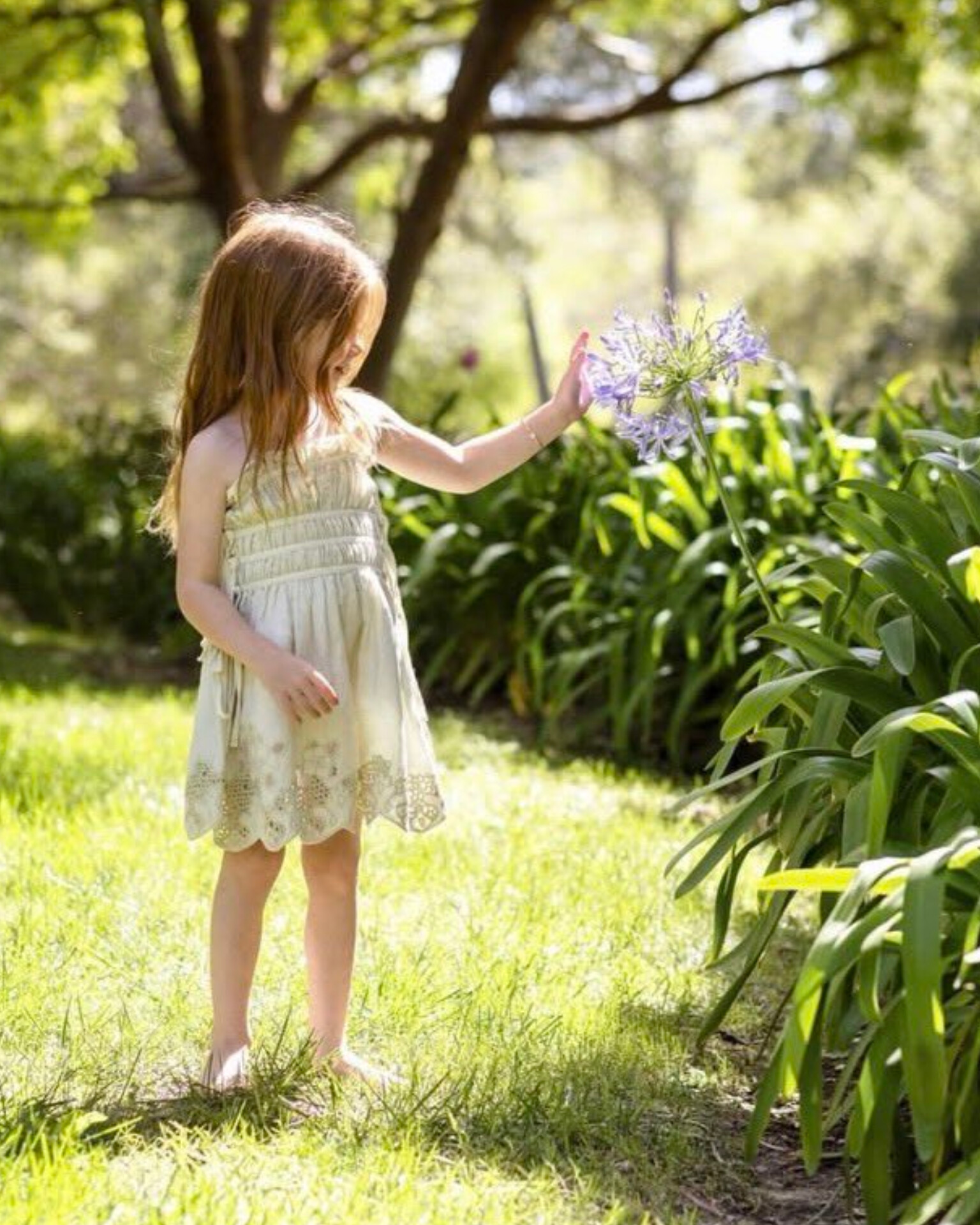
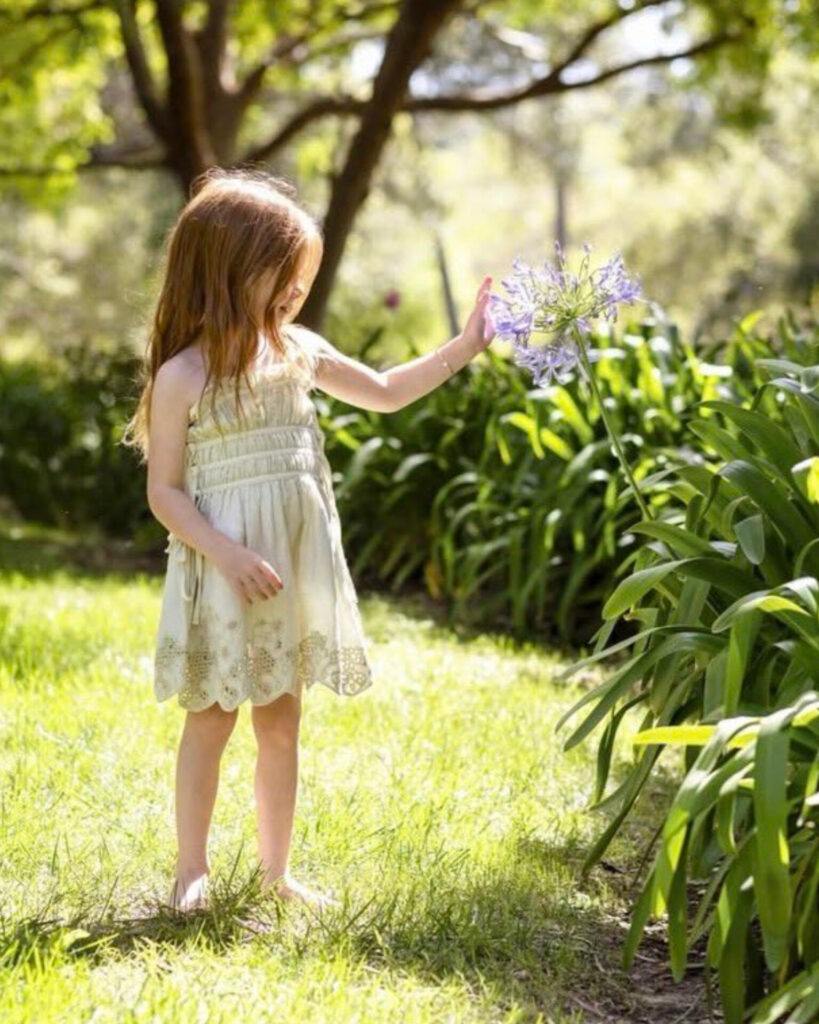
The images — one showing a young girl in a flowing sundress standing barefoot in a garden touching a purple flower, the other a family shot with Prince Harry holding the child while Meghan beams nearby — were intended as a sweet milestone moment. Instead, they have triggered a wave of criticism accusing the Sussexes of everything from inappropriate child imagery and heavy photoshopping to emotional detachment and blatant favoritism toward their daughter over son Archie.
“What parent says ‘our dream girl’?” one viral post asked bluntly. “One that doesn’t parent.”
The Photo That Broke the Internet
The main image circulating widely shows a young girl with long reddish hair, wearing what appears to be a semi-sheer or embroidered sundress that critics immediately flagged as unsuitable for a child her age. Commenters pointed to the dress’s transparency in certain lighting, the child’s notably thin frame, and what many described as obvious digital alterations — including a head that looks disproportionately large for her body and an oddly flattened midsection.
“Poor child seems to be missing half of her stomach,” one observer noted. “Seriously, what’s up with the half sheer dress and horrid Photoshop job?”
Others questioned the decision to post the child at all, especially given the couple’s long-standing complaints about media intrusion and privacy. “What parent would publish their 5-year-old daughter in a see-through dress??” another user demanded.
The garden setting and the girl’s interaction with a single glowing flower struck some as overly staged and symbolic — almost too perfect for a family that has built much of its brand on carefully curated imagery.
“Our Dream Girl” — The Phrase That Says It All
The caption itself became the biggest lightning rod. “Our dream girl” struck many as strangely detached language for a mother describing her own child.
Critics argued that real parents use terms like “my beautiful girl,” “our precious daughter,” or simply call her by name. “Dream girl” sounded more like something from a fantasy or a marketing campaign than genuine parental affection.
One commenter summed it up: “Affirmation weirdo Meg! She probably read it somewhere and thought it was neat.” Another added: “Maybe if she would’ve said ‘Our surrogacy dream’ or ‘honorary daughter’ it might’ve been a bit too honest?”
The phrasing has fueled long-standing speculation about the circumstances of Lilibet’s birth, including persistent (though unproven) rumors of surrogacy or donor involvement. Some online voices claimed the language reveals emotional distance — as if the child is an idealized concept rather than a flesh-and-blood daughter the parents are raising day-to-day.
Favoritism Exposed? The Archie Double Standard
The timing and tone of the post also reopened wounds around perceived favoritism. Many recalled past comments attributed to the couple — including claims that “Archie made us parents, but Lilibet made us a family.”
“That’s not the first time Meghan has favored Lilibet over Archie,” one critic wrote. “Remember when Meghan said Archie made them parents but Lilibet made them a family! So Harry, Meghan & Archie weren’t a family?”
The contrast is stark in the eyes of detractors: Archie’s public appearances and mentions have been minimal and often heavily obscured, while Lilibet receives these occasional, highly stylized photo drops. Some speculate Meghan views her daughter as the more “marketable” or photogenic child for their ongoing brand-building efforts.
A Pattern of Photoshop, Privacy Hypocrisy & Child Exploitation Claims
This isn’t the first time Sussex family photos have been accused of heavy editing. From the infamous “bump” controversies during Meghan’s pregnancies to constantly changing appearances of both children across different images, skeptics have long questioned the authenticity of the visual record.
The latest photos drew immediate accusations of AI generation or aggressive photoshopping. “There’s at least 3 different versions of Lilibucks in a short timeframe!” one user exclaimed, referencing the nickname some critics use for the girl.
Beyond the editing, a darker thread emerged: concerns about child exploitation. “All I can think of is all the degenerate pedophiles ogling at these pictures,” one commenter warned. “Her parents should be arrested for child exploitation!”
Others noted the child is rarely seen interacting with other children her age and questioned why the parents continue to release images while simultaneously positioning themselves as fierce protectors of their kids’ privacy.
The Broader Sussex Grift Narrative
For longtime critics, the birthday post fits a familiar pattern: selective sharing designed to keep the Sussex brand relevant without ever delivering genuine transparency. The couple has built a multimillion-dollar media empire on privacy complaints, yet they continue to drip-feed images of their children when it suits their narrative.
The “dream girl” language, the questionable outfit, the heavy editing, and the apparent double standard with Archie all reinforce the view held by many that Meghan and Harry treat their children more as props in an ongoing PR operation than as real kids who deserve protection from public scrutiny.
As one observer put it: “You can tell she desperately wants to show off Lilbidet. But she is forced to use restraint because she doesn’t want to show off Archie.”
What Comes Next?
With Lilibet turning five, the pressure on the Sussexes to eventually show their children more openly — or stop using them for content altogether — is only going to grow. The current strategy of heavily edited, face-obscured, or selectively released photos appears to satisfy no one: not privacy advocates, not royal watchers, and certainly not the growing army of online critics who see every new image as further proof of inauthenticity.
For now, the viral reaction to “our dream girl” has once again put the spotlight exactly where the Sussexes claim they don’t want it — on their parenting choices, their image manipulation, and the widening cracks in the carefully constructed fairy tale they left the royal family to pursue.
The photos were meant to celebrate a milestone. Instead, they became the latest chapter in a story that refuses to go away.