Exclusive Investigation: Once a beacon for wounded warriors, Invictus is now drowning in royal drama, lavish spending questions, and sponsor exits. Is Harry’s flagship charity repeating the same disastrous path as Sentebale?
London, May 2026 – What began as Prince Harry’s proudest legacy – a global celebration of wounded veterans’ resilience through sport – is rapidly morphing into something else entirely: a high-gloss Sussex brand extension plagued by opacity, defensiveness, and growing doubts about where the money actually goes.
As the Invictus Games prepares for its next chapter in Birmingham 2027, insiders, former supporters, and even some participating veterans are quietly asking the question no one in the Sussex orbit wants to hear: Has Invictus stopped serving the athletes and started serving Harry and Meghan’s image?
From Noble Mission to Celebrity Sideshow
Launched in 2014 under the Royal Foundation and placed firmly in Harry’s hands, Invictus exploded onto the scene as an inspiring platform for injured service members. Adaptive sports, camaraderie, and real recovery stories were meant to be the core. For years, that focus held.
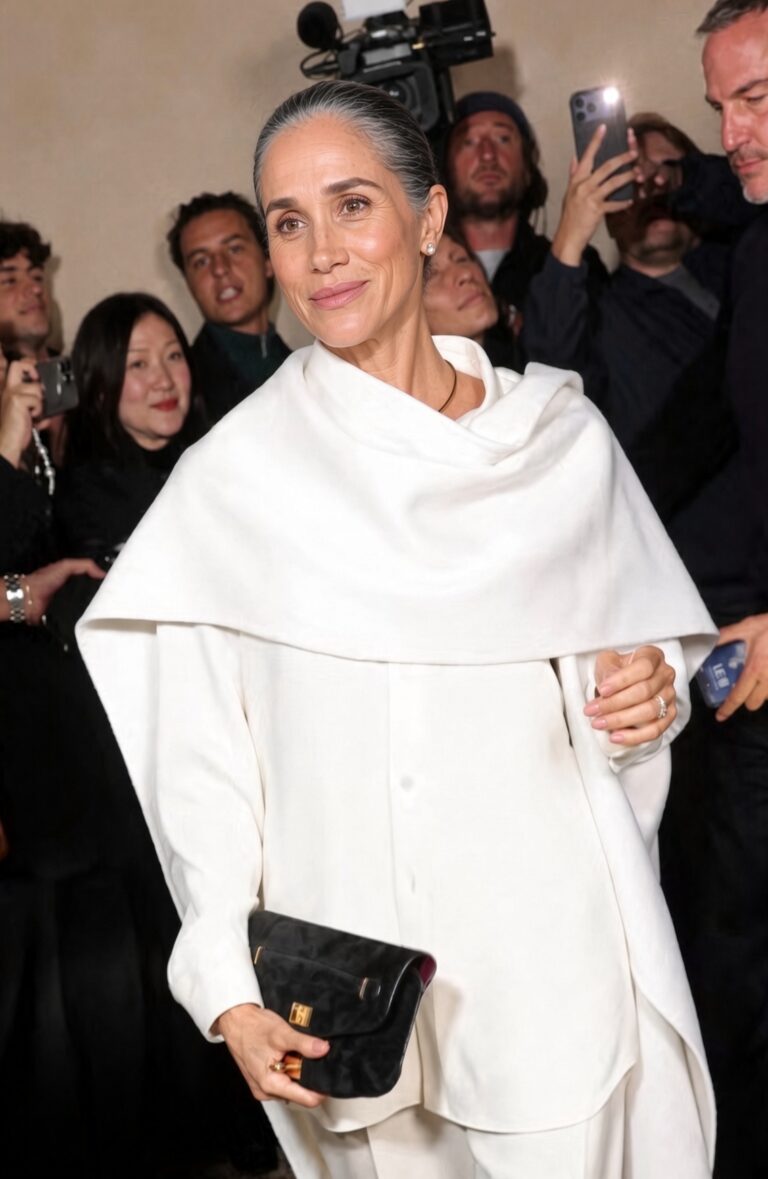
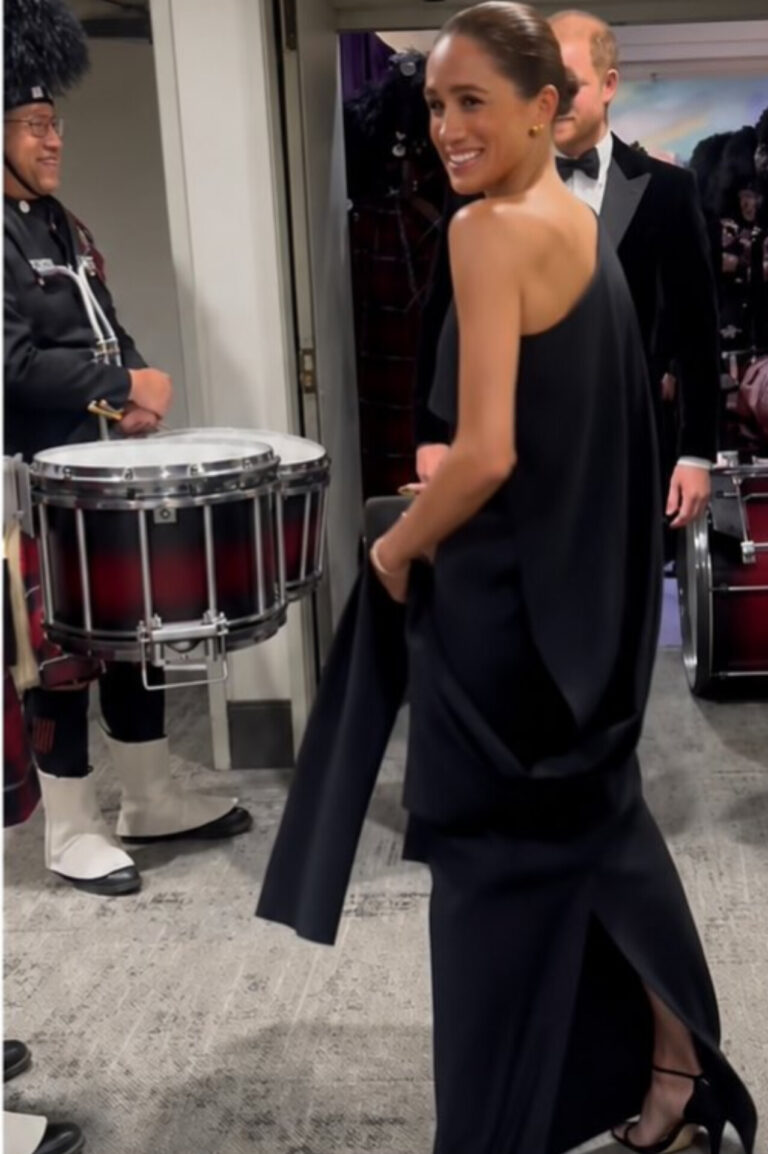
But in recent cycles, the narrative has shifted dramatically. Media coverage of the Games now routinely leads with Meghan’s wardrobe choices, the couple’s luxury travel arrangements, staged photo opportunities, and glossy PR moments. Veterans, once the undisputed stars, increasingly feel like background props in the Sussex media machine.
Public discourse that should center on rehabilitation breakthroughs, mental health progress, and extraordinary acts of human endurance is instead dominated by tabloid fodder about the founders themselves.
One veteran who competed in earlier Games but requested anonymity told reporters: “We went there to compete and heal, not to be extras in their Netflix documentary. The events feel more like red carpets than recovery platforms now.”
Growing Questions About Money and Transparency
Any charity commanding major sponsorships, public donations, and international goodwill faces legitimate scrutiny – and Invictus is no exception. Yet the response to basic questions has been anything but open.
Concerns raised by donors, observers, and even some military community figures include:
- What percentage of funds goes directly to veteran programs and rehabilitation versus operational costs, executive salaries, branding, and high-end production?
- How much is allocated to travel, PR campaigns, and celebrity-level logistics?
- Why do key financial figures in government-linked contracts and budgets remain heavily redacted?
- To what extent do Harry and Meghan influence media strategy and overall narrative control?
Instead of welcoming transparency, the Invictus Games Foundation has reportedly adopted a combative stance. Multiple sources claim that polite inquiries on social media about budgets or spending priorities are met with swift blocks. Critics say this defensive posture erodes trust rather than building it.
“If there’s nothing to hide, why silence questions?” asked one longtime donor who has since distanced themselves. “Charities survive on public confidence. Blocking people doesn’t inspire it.”
Boeing’s Exit Sends Shockwaves
The most tangible sign of trouble came recently when Boeing – a longtime Global Presenting Partner with strong ties to the defense and veteran communities – confirmed it would not continue its involvement with the 2027 Birmingham Games. Corporate giants rarely walk away from high-profile charitable platforms without serious underlying issues.
This departure mirrors growing unease in sponsor circles about the organization’s direction and the heavy personal branding attached to it. Defense-linked companies, in particular, expect their support to benefit service members – not underwrite what many now perceive as a celebrity lifestyle vehicle.
The Sentebale Warning: History Repeating?
The parallels with Sentebale, the African charity Harry co-founded in 2006, are becoming impossible to ignore. What started with enormous goodwill and noble intentions has since descended into boardroom chaos, public feuds, patron exits, and even legal action – with Sentebale itself suing Harry for defamation in recent developments.
Both organizations were built heavily around Harry’s personal story and celebrity. Both enjoyed initial surges of support fueled by royal magic. And both now face accusations that the mission has been overshadowed by drama, personal branding, and a reluctance to accept accountability.
Invictus risks traveling the exact same road. When an organization becomes too entangled with one high-profile couple’s image management, any controversy surrounding them inevitably contaminates the cause. The veterans – who sacrificed everything – deserve better than becoming collateral damage in Sussex PR battles.
Time for Course Correction
Supporters of Invictus still believe the Games can be saved, but only with radical honesty from leadership. That means:
- Recommitting fully to the original mission of veteran recovery and adaptive sport.
- Opening the books for proper independent scrutiny.
- Ending the practice of blocking critics and questions.
- Shifting the spotlight back onto the athletes, not the founders.
- Reducing the distractions of luxury travel, endless branding exercises, and celebrity optics.
Veterans did not sign up to be supporting cast members in a royal exile soap opera. They deserve an organization that puts their long-term rehabilitation, stories of resilience, and competitive achievements front and center – without the baggage of external drama following them into every arena.
The Invictus Games Foundation now faces a choice: Double down on defensiveness and risk the same fate as Sentebale, or embrace transparency, refocus on service, and restore the trust that made the Games special in the first place.
The wounded warriors who compete so bravely deserve nothing less. The world will be watching whether Harry and Meghan’s creation can still serve them – or whether it has already become just another chapter in the Sussex brand story.