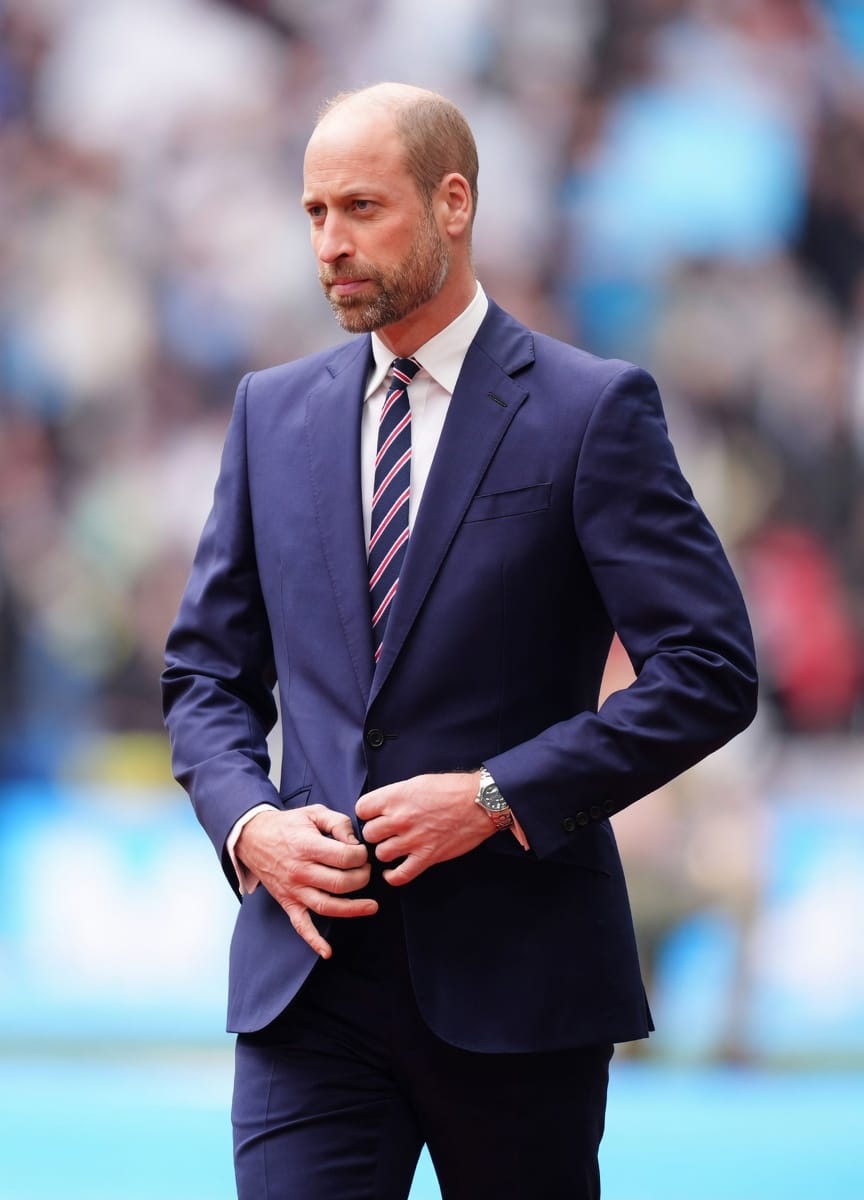
The Future King’s Jaw-Dropping Financial Integrity Exposed – He’s Choosing the Hard Road When He Could Have Taken Every Shortcut
In an era where entitlement and scandal seem to define certain corners of the royal family, one man continues to stand apart: Prince William. While his detractors in the press and on social media obsessively dig for dirt, the heir to the throne has once again delivered a masterclass in quiet dignity and personal responsibility that has left his critics red-faced and scrambling.
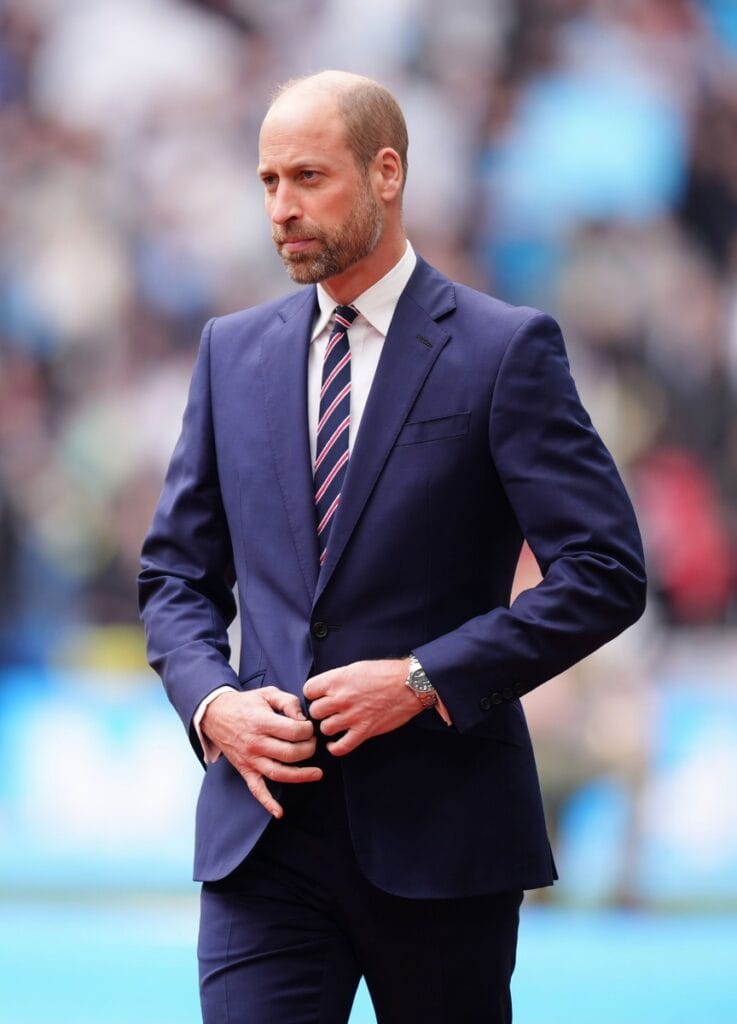
For years, royal skeptics have peddled convenient narratives designed to paint Prince William as out of touch and living lavishly off the public purse. They claimed he pays no income tax. They insisted he sponges off taxpayers by avoiding rent. Each accusation, however, has now been met with cold, hard, undeniable facts that paint a very different picture — one of a man who refuses to exploit the privileges available to him.
The Tax Truth That Slaps Back
Prince William pays a staggering £7 million annually in income taxes, placing him firmly in the top 0.02% of Britain’s highest-paying taxpayers. This is no small feat. As a senior royal, he is under no legal obligation to pay such sums — many in his position have historically benefited from exemptions or arrangements that significantly reduce their tax burden. Yet William has chosen the opposite path: full transparency and maximum contribution.
This single figure alone dismantles the tired “parasite prince” trope pushed by antimonarchists. Far from dodging his civic duty, the future King is one of the country’s biggest individual contributors to the public finances.
Rent Reality Check: No Peppercorn Deals Here
The critics’ second favorite line — that William lives rent-free on taxpayer money — has suffered an equally brutal fate. The Prince pays £307,500 per year in rent for Forest Lodge, an eight-bedroom estate. That amount is £100,000 more than the previous occupants were paying, and it reflects full market value on a signed 20-year lease.
Compare this to other royal arrangements. While Prince Andrew famously occupied a 40-room mansion under a peppercorn rent deal (essentially nominal payment), William has deliberately chosen the more expensive, fully commercial route. No special favors. No royal discounts. Just straightforward, honorable dealings with the Crown Estate.
A Character Forged in Integrity
This pattern reveals the true character of the man who will one day wear the crown. As his former private secretary and mentor, former SAS officer Jamie Lowther-Pinkerton, once described:
“William was always someone of deeply impressive maturity. He is very analytical. He asks all the questions and makes sure that he’s clear what you’re asking him to do. His sort of moral compass is set absolutely, rigidly due north. He has the clearest understanding of what is right and what is wrong; and he won’t waiver from it, even if it means he’s going to take a hit.”
Lowther-Pinkerton continued:
“There are many examples of when I worked for William where it would have been very easy to take one route, but it wouldn’t have been the honorable or the right thing to do; so he took the more difficult route.”
Time and again, William has proven these words true. While other senior royals — most notably Prince Harry and Prince Andrew — have faced repeated accusations of leveraging their titles for personal financial gain and questionable dealings, William has consistently taken the higher, harder road.
He could have easily claimed tax exemptions available to royals. He didn’t.
He could have negotiated a sweetheart peppercorn rent deal like others in the family. He refused.
Instead, he pays full whack — and sleeps soundly knowing he’s done the right thing.
Living Below His Means – By Choice
Consider the numbers. Prince William’s income from just one of his known sources is estimated between £20 million and £23 million per year. On that alone, he pays £7 million in tax and nearly £308,000 in rent while living in a relatively modest (by royal standards) eight-bedroom home.
This means the future King and his family are living well below their actual means.
- He can comfortably afford multiple properties if he chooses.
- Family holidays? Easily covered.
- Top-tier private education for Prince George, Princess Charlotte, and Prince Louis at Eton or elsewhere? Financially straightforward.
The idea that William is somehow a burden on the public is not just wrong — it’s laughable. His finances are rock solid. The chances of him, Princess Catherine, or their children ever facing financial hardship are effectively zero.
Time for Critics to Look in the Mirror
While certain segments of the British press and antimonarchist activists continue their bitter crusade against the Prince of Wales, they might want to redirect that energy inward. Their fixation on William’s finances hasn’t exposed royal excess — it has only highlighted their own misplaced priorities.
Meanwhile, the Wales family continues building a stable, values-driven future grounded in service, responsibility, and integrity. Prince William isn’t just preparing to be King — he’s demonstrating daily what principled leadership looks like long before he takes the throne.
The message is clear: William knows the privileges his position brings, but he also understands the responsibilities. In a world quick to celebrate shortcuts and self-interest, his commitment to doing the right thing — even when no one is watching — stands as a powerful example.
Haters can keep digging. The facts keep proving them wrong. And the future King keeps winning — not through flashy displays of wealth, but through something far more valuable: integrity of character.
As the evidence mounts, one thing becomes increasingly obvious: Prince William isn’t just ready to lead the monarchy. He’s already leading by example.