Prince Harry and Meghan Markle’s latest trip to Australia has once again drawn attention, not only for the events they attended but also for the ones that never happened. As details of their itinerary have emerged, one particular decision has sparked curiosity and debate — the reported inclusion, and subsequent cancellation, of a traditional royal-style public walkabout.
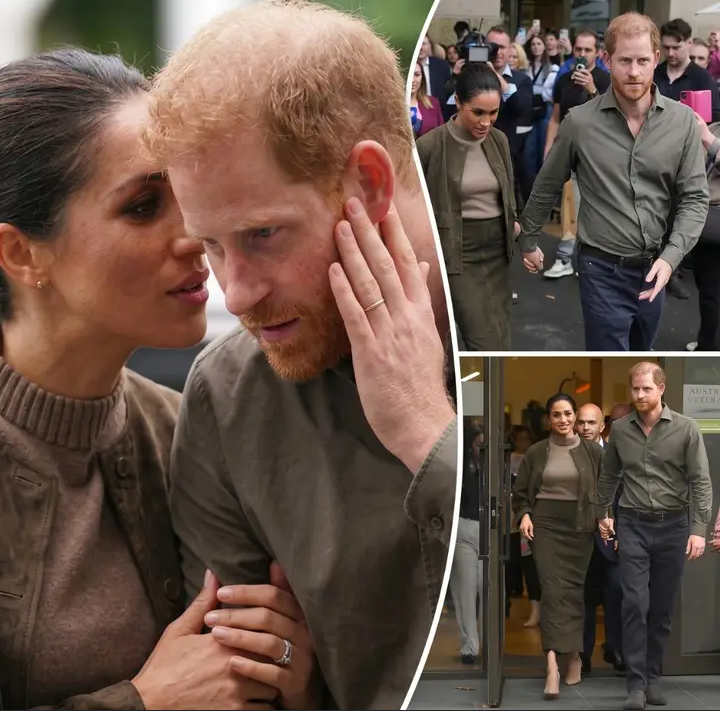
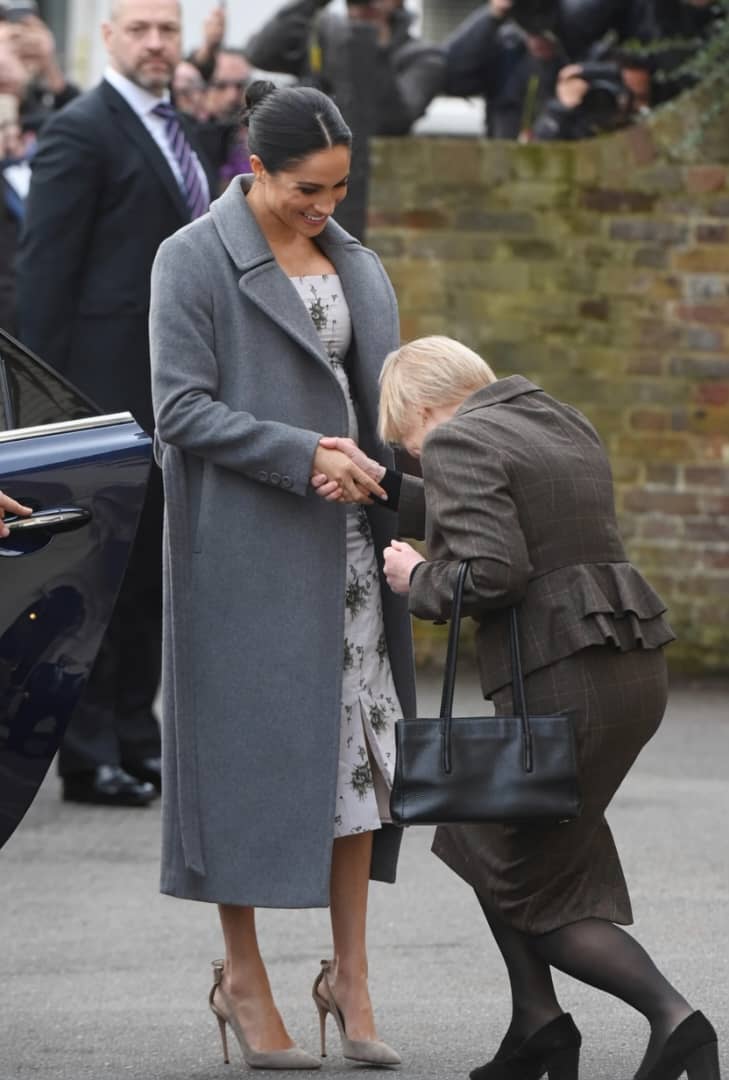
According to reports, the couple’s schedule initially appeared to mirror elements of an official royal tour, despite the fact that they stepped back from their roles as working members of the Royal Family in 2020. Among these elements was the possibility of a walkabout, a long-standing royal tradition in which senior royals meet members of the public, shake hands, and engage directly with crowds. Such interactions have historically been a defining feature of royal visits, often drawing large gatherings and media attention.
Meghan Markle and Prince Harry’s First Australia Stop Has Link to Princess Diana
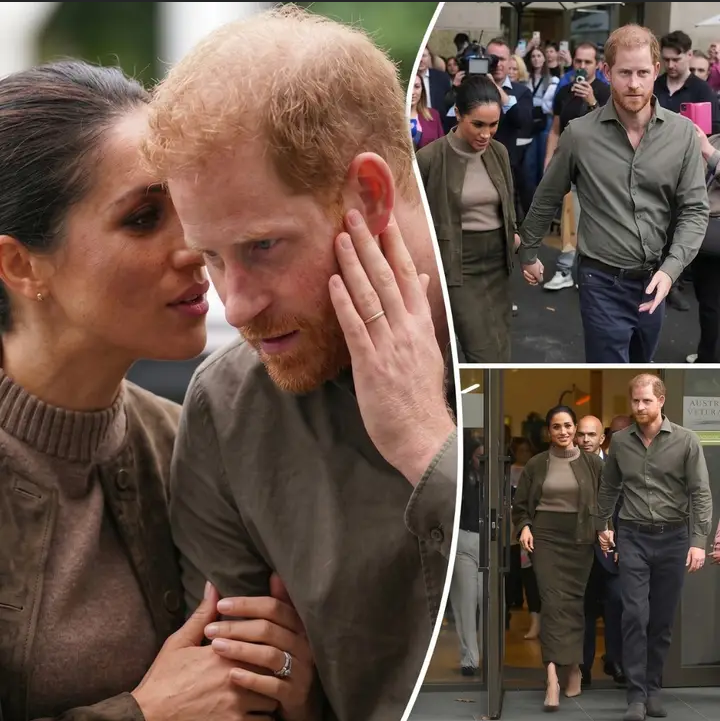
However, in a notable shift, it was later confirmed that no such walkabouts would take place during the trip. Instead, the Sussexes’ visit has been structured around controlled engagements, including meetings with charities, visits to hospitals, and appearances at events focused on mental health, veterans, and community support. While these activities align with their stated goals, the absence of open public interaction has not gone unnoticed.
Official explanations have pointed to security and logistical concerns as the primary reason for the change. Organizing large-scale public events requires significant coordination, and the cost and complexity of ensuring safety can be considerable. Local authorities acknowledged that additional policing measures would be necessary during the visit, even though it is described as privately funded.
Prince Harry and Meghan arrive in Australia to a muted welcome
Yet for some observers, this explanation has raised further questions rather than providing clarity. Critics have suggested that the initial inclusion of a walkabout — followed by its cancellation — may reflect a tension between image and reality. On one hand, there appears to be an effort to maintain elements of a traditional royal presence; on the other, practical and financial constraints may limit what can actually be carried out.
Why did Prince Harry and Meghan Markle visit Royal Children’s Hospital during their Australia tour? Watch the video of their ‘privately funded’ visit – The Economic Times
One commentator noted that “you can’t have it both ways — either it’s a private visit or it’s a royal-style tour,” highlighting what they see as a contradiction in how the trip has been presented. Another observer suggested that the decision to remove walkabouts could be interpreted as an attempt to avoid unpredictable public reactions, particularly given the mixed reception the couple has received in recent years.
Supporters, however, offer a different perspective. They argue that the Sussexes are no longer bound by royal protocol and therefore have the freedom to shape their engagements in ways that prioritize impact over tradition. From this viewpoint, focusing on structured visits rather than large public gatherings may allow for more meaningful interactions with the communities they aim to support.
The broader context of the trip adds another layer to the discussion. Alongside their charitable engagements, the couple is also participating in commercial activities, including speaking events and a high-profile wellness retreat hosted by Meghan. This combination has fueled ongoing debate about the nature of their public roles and the balance between service and personal enterprise.
For some critics, the blending of these elements reinforces the perception that the couple is attempting to retain the visibility and influence of royal life while operating outside its formal structure. The absence of walkabouts, in this light, becomes symbolic — a reminder that while certain aspects of royal tours can be replicated, others cannot.
At the same time, it is worth noting that public expectations remain shaped by the couple’s past. Their 2018 visit to Australia, conducted as senior working royals, was marked by enthusiastic crowds and extensive public engagement. Comparisons between that tour and the current visit are inevitable, even though their roles and circumstances have changed significantly.
An observer at one of the Melbourne events described the atmosphere as “carefully managed but still warm,” suggesting that while the format may differ, the couple continues to attract attention and interest. This reflects the enduring complexity of their public image — one that combines familiarity with ongoing reinvention.
As the Australia tour continues, the question of what the Sussexes represent — former royals, global public figures, or something in between — remains at the center of the conversation. The cancelled walkabout, though a relatively small detail, has become a focal point for this broader debate.
In the end, the situation highlights the challenges of navigating a role that no longer fits traditional definitions. Whether seen as a practical adjustment or a symbolic misstep, the decision underscores the delicate balance the Sussexes must strike as they redefine their place on the global stage.