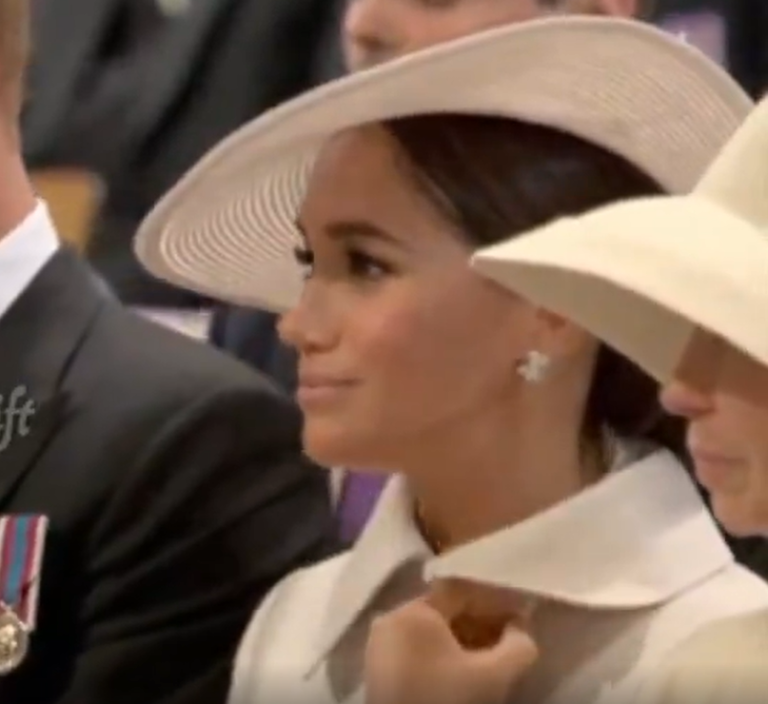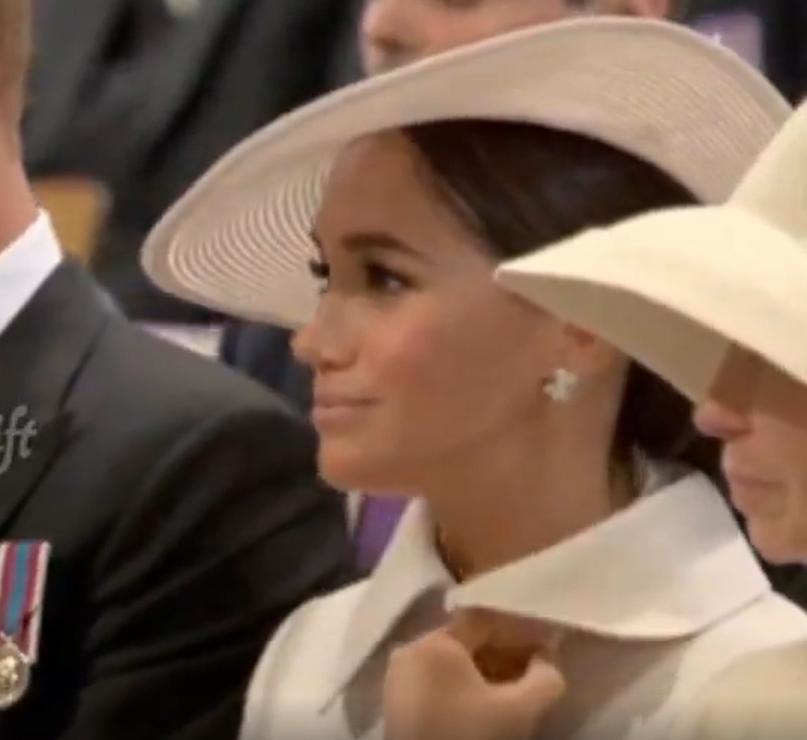
A single image from Queen Elizabeth II’s Platinum Jubilee Thanksgiving Service at St Paul’s Cathedral in June 2022 still says everything the Royal Family, the institution, and much of the British public have concluded about Meghan Markle. Seated well back from the senior working royals, in a second-row spot opposite Prince William, Catherine, Charles and Camilla, the Duchess of Sussex sat in a large white hat and matching outfit while the real business of the monarchy happened out of earshot.
Four years later, after a surprise return to the UK with Prince Harry and their children in late August 2026, that seating arrangement looks less like protocol and more like a warning that was never heeded. King Charles has now formally reminded government officials, military figures and Lords Lieutenant that the Sussexes remain private citizens with no working-royal status. The message is unmistakable: they are not coming back in.
A Security Nightmare, Not a Misunderstood Outsider
Critics have long argued that Meghan’s presence around senior royals created an operational problem, not just a personal one. The couple’s pattern after leaving senior duties in 2020—Oprah interview, Netflix series, Harry’s memoir Spare—turned private family conversations, security arrangements and palace processes into global content. Once those details are public, they cannot be un-said. That is why people close to the institution have described her as a security headache: not because she is physically dangerous, but because proximity to her has repeatedly meant private matters becoming public property.
Harry’s long-running legal fight for automatic taxpayer-funded police protection after they stepped back only reinforced the point. He lost in court. The Royal and VIP Executive Committee (RAVEC) has continued to assess risk on a case-by-case basis rather than restore the old package. Former royal protection officers have been blunt: if you want high-level security, you keep a low profile. The Sussexes have done the opposite. They give interviews, launch brands, announce moves, and then complain that the resulting attention makes them unsafe. That is not how protective security works.
The 2022 St Paul’s seating was the visual version of the same calculation. Working members of the family sat in the front. Harry and Meghan, no longer working royals, sat further back with cousins. Protocol, yes. Also practical. You do not put someone who has monetised family grievances in the row where unguarded remarks can be overheard.
The Return That Changed Nothing
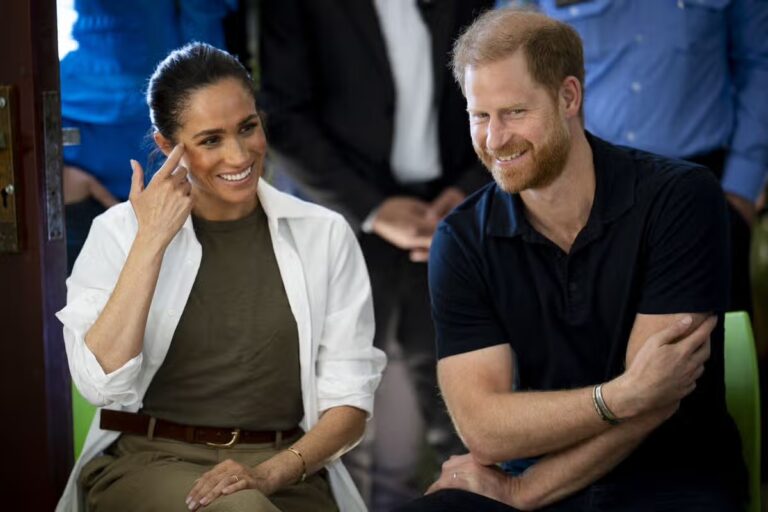
Their August 2026 relocation from Montecito—children enrolled at school in the Oxfordshire area, Harry booked for Invictus and WellChild events this month—has not altered the fundamentals. Buckingham Palace’s letter of guidance made that explicit. There is no change of status. They are not working members of the Royal Family. Polls have shown majority British opposition to restoring them to official roles.
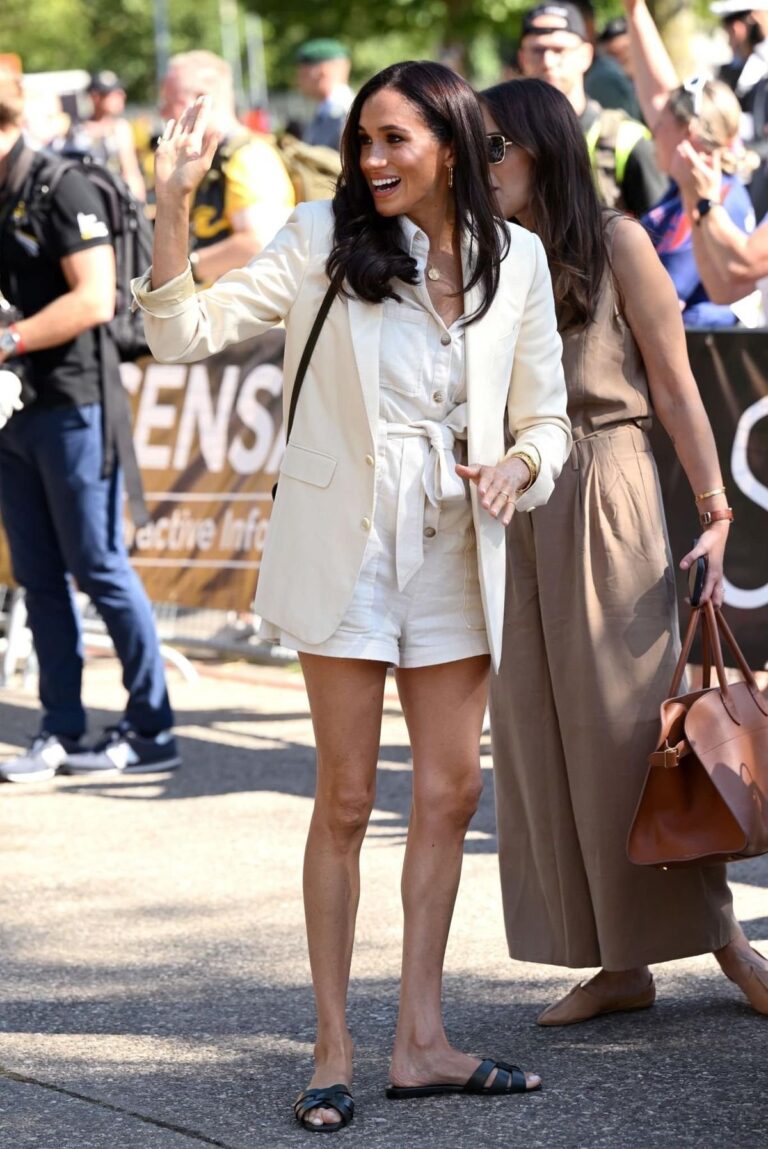
Meghan’s first reported outing since the move was a low-key visit to Soho Farmhouse in the Cotswolds, not a royal engagement. Harry has appeared at a London studio and will do charity work in a private capacity. That is the arrangement the institution is prepared to tolerate. Anything more would require a level of trust that no longer exists.
The couple’s defenders call this coldness. The record looks more like self-inflicted isolation. They left, criticised the institution that raised Harry, sold the story, demanded the protection they had forfeited, and then expressed surprise when the family and the country treated them as the private citizens they chose to become. Seating Meghan that far back in 2022 was not petty. It was the institution protecting itself. The 2026 letter is the same decision, written down.