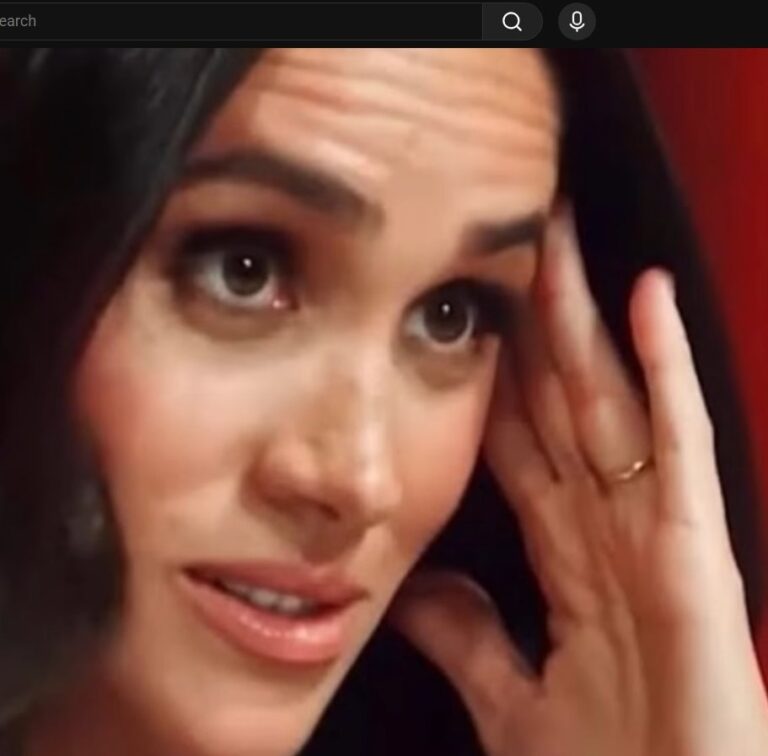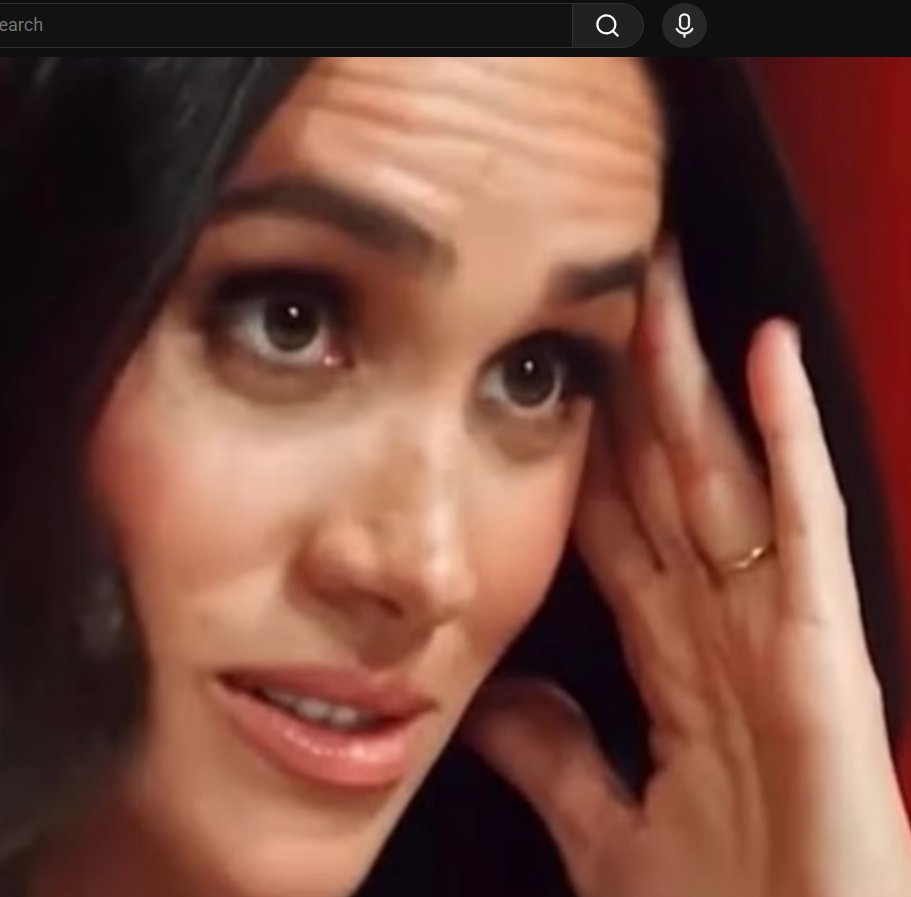
A single, unmistakable close-up of Meghan Markle during her guest-judging stint on MasterChef Australia has gone viral for all the wrong reasons. Captured mid-tasting, the Duchess of Sussex (a title she continues to milk long after abandoning royal duties) presses a hand to her temple, brows furrowed, eyes wide with what critics are calling pure, undisguised contempt. Online observers immediately labeled it her “they are not paying me enough to eat this crap” face — the unmistakable look of a woman who treats ordinary home cooks’ efforts as somehow beneath her.
The episode, which aired Sunday on Network 10, was filmed months earlier during the Sussexes’ April 2026 “tour” of Australia — a carefully orchestrated mix of paid speaking gigs, brand promotion, and selective charity appearances. Meghan arrived as a supposed “passionate home cook” and “global icon,” tasked with judging dishes built around seasonal Australian produce and personal stories. What viewers got instead was a masterclass in performative superiority.
She gushed on cue that food is her “love language,” that her children eat Brussels sprouts, and that contestants should “cook from the heart.” Yet the camera repeatedly caught her looking bewildered or faintly revolted while professional judges and skilled home cooks discussed technique. One viral still shows her mid-reaction, hand to face, mouth slightly open in what many saw as barely concealed distaste. Social media erupted: “Imagine having your cooking judged by someone whose idea of haute cuisine is a sprinkling of dried flowers,” one commenter wrote, referencing her failed lifestyle brand and the edible-flower obsession that defined her short-lived Netflix series.
That series, With Love, Meghan, was canceled by Netflix after two poorly received seasons. Viewership was abysmal — ranking hundreds of places behind even Suits reruns. The brand she tried to build around it, As Ever, has been widely mocked as “As If.” Yet here she was, positioned as a “high-caliber guest judge” on one of Australia’s most respected cooking competitions, despite zero professional culinary credentials. She is not a chef. She is not a trained cook. She is a former actress who left the royal family in 2020 after a relentless campaign of complaints, then spent years monetizing the very titles and associations she claimed to reject.
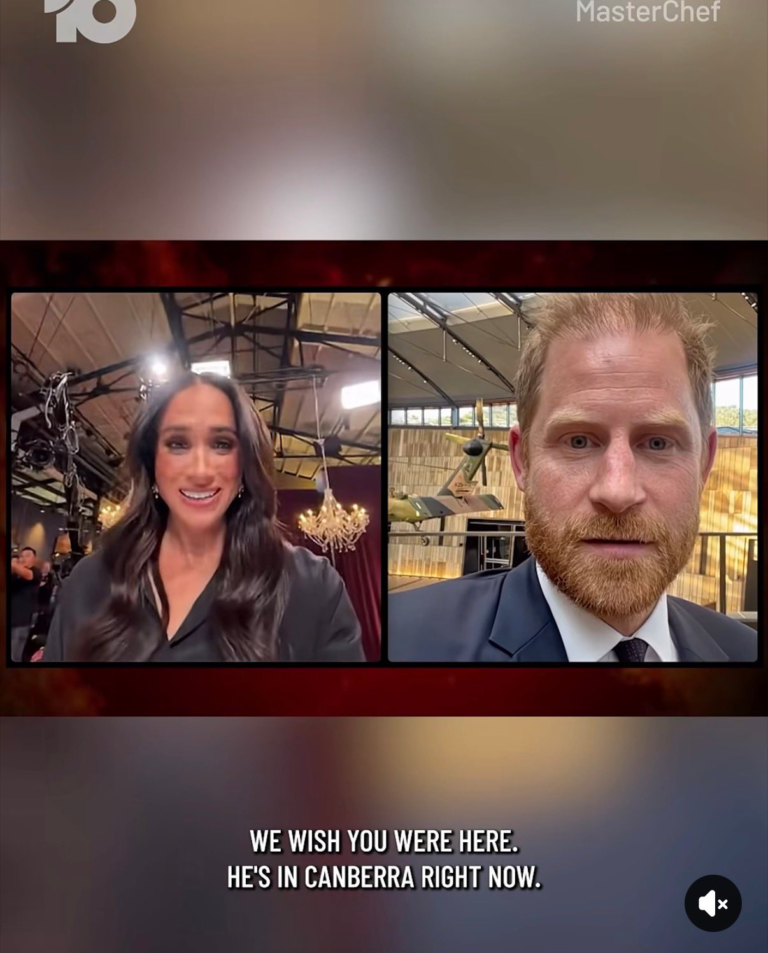
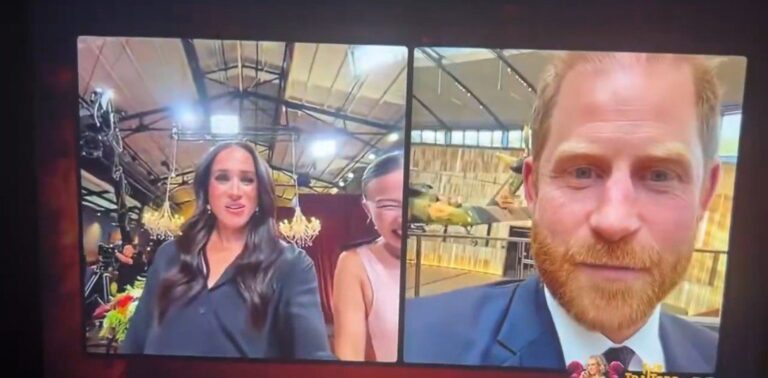
The evening’s low point for many was the carefully timed FaceTime from Prince Harry. Mid-tasting, a crew member handed Meghan a phone. Her initial expression of mild alarm melted into theatrical delight the moment Harry’s face appeared. “Hi, my love!” she cooed, showing him plates while announcing he was “with the veterans” in Canberra. Harry delivered a folksy “G’day,” apologized for interrupting, and signed off to cheers. Viewers were not fooled. “So staged,” “absolute cringe,” and “they just happened to call the exact studio phone at the exact moment?” flooded timelines. It was classic Sussex: turn a cooking competition into another opportunity to center their marriage and burnish their image as devoted partners while Harry remains estranged from much of his family and the institution that once defined him.
Reports also emerged that Meghan had requested producers avoid the word “royalty” in her introduction. When judge Poh Ling Yeow nevertheless welcomed “MasterChef royalty” and “the Duchess of Sussex,” it reportedly left Yeow upset enough to consider a personal apology. The moment underscored the selective relationship the Sussexes maintain with their former roles: the titles are useful for opening doors and generating headlines, but any reminder of the duties and protocols they discarded is unwelcome.
This appearance fits a long pattern. After Megxit, the couple positioned themselves as victims of a cruel institution while simultaneously leveraging every remaining privilege for commercial gain. Harry’s public grievances about his family continue; Meghan’s projects repeatedly underperform yet somehow still secure high-profile platforms. MasterChef Australia contestants, many of them talented home cooks who have worked for years to reach the kitchen, were reduced to props in another Sussex publicity exercise. The network hyped her as a “SUPER special” guest. What audiences received was a reminder of why so many find the couple exhausting: the constant self-promotion, the manufactured moments, the inability to simply participate without making it about them.
The viral face says more than any scripted line. It is the look of someone who has spent years insisting the world has wronged her, only to treat the ordinary efforts of others with visible impatience. Pair that with Harry’s transparent cameo and the overall performance lands as yet another example of the Sussex brand: entitlement wrapped in soft lighting and sentimental talk of “family” and “love language,” delivered by two people who have repeatedly chosen self-interest over the institutions and relatives they once claimed to serve.
Viewers who tuned in hoping for culinary insight or genuine engagement instead witnessed a carefully staged exercise in image management. The photo of that dismissive expression will likely outlast any of the dishes she judged.