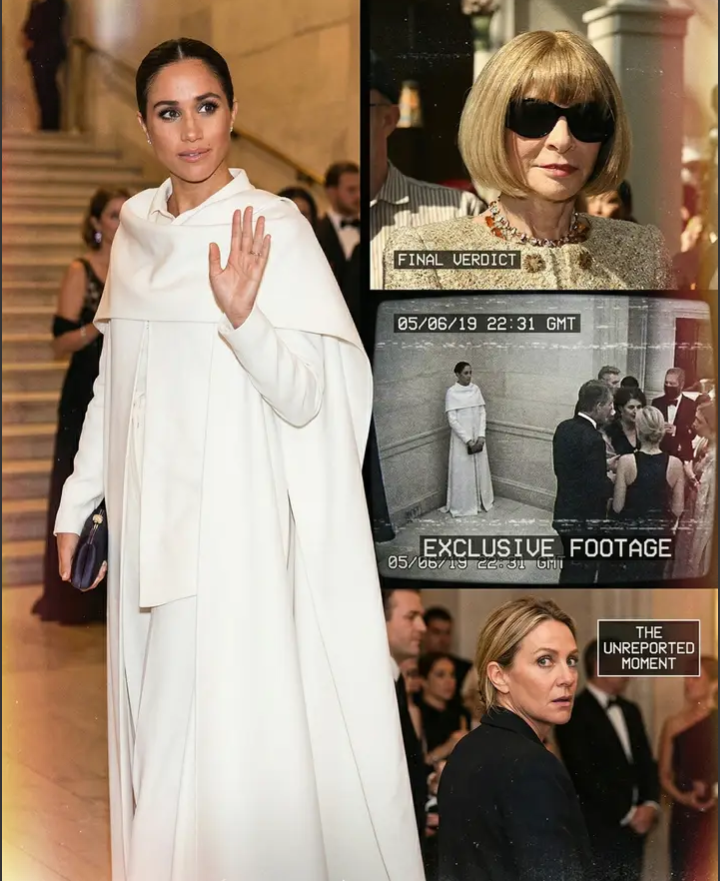
The absence of Meghan Markle and Prince Harry from the Met Gala 2026 guest list has quickly become one of the most talked-about moments in celebrity and fashion circles. Once seen as figures poised to dominate global attention after stepping away from royal duties, their exclusion from one of the most prestigious red carpet events in the world has raised fresh questions about their standing in Hollywood and the elite fashion industry.
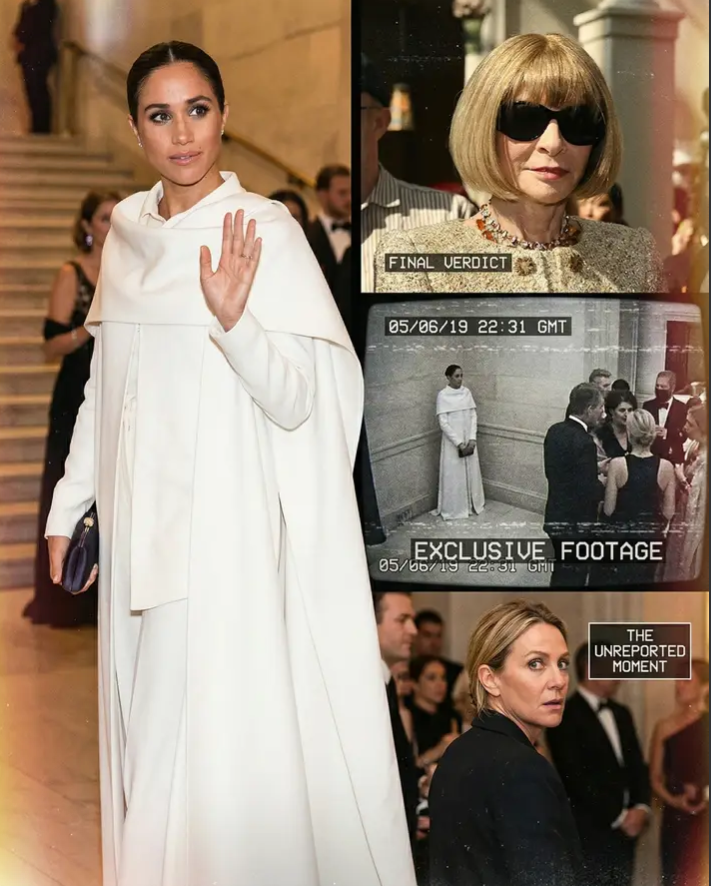
The Met Gala, chaired by Vogue editor-in-chief Anna Wintour, is not merely a glamorous evening—it is a carefully curated gathering of influence, reputation, and cultural relevance. Invitations are highly selective, often reflecting not just popularity, but also perceived credibility and alignment with the event’s image. This year’s guest list included some of the biggest names in entertainment, fashion, and business, from Beyoncé and Nicole Kidman to emerging global stars and industry power players. Notably absent, however, were the Duke and Duchess of Sussex.
For Meghan, the omission is particularly striking given her well-documented efforts to establish herself within high fashion circles. Over the past few years, she has pursued visibility through magazine features, brand-building initiatives, and appearances at select events. There had been speculation that her connections—particularly with figures like Serena Williams and Beyoncé—might eventually secure her a place at the Met Gala. Yet, this year’s outcome suggests that such expectations may not align with the reality of how influence is assessed within the industry.
Sources cited in entertainment media point to a broader issue: a perception that Meghan and Harry tend to dominate the narrative wherever they appear. According to insiders, this reputation has made some key decision-makers hesitant. One fashion commentator summarized the sentiment bluntly: “The Met Gala is about the theme, the designers, the collective moment. If someone is seen as pulling focus in a way that disrupts that balance, it becomes a concern.” While such views are subjective, they highlight the delicate dynamics that shape invitation decisions.
Anna Wintour’s role in this process has also drawn attention. Known for her exacting standards and long memory within the fashion world, Wintour has reportedly maintained a measured distance from Meghan in recent years. Past disagreements over editorial control and expectations surrounding magazine features are said to have contributed to this stance. A media analyst noted, “In fashion, relationships matter as much as image. If there’s friction behind the scenes, it can quietly influence opportunities.”
Beyond individual relationships, the broader context of Meghan and Harry’s post-royal trajectory cannot be ignored. Their transition into independent public figures has been marked by both high-profile successes and notable setbacks. While their initial projects generated significant interest, subsequent ventures have faced more mixed reception. This shift has led some observers to question whether their brand still carries the same level of influence it once did.
Public reaction to their absence from the Met Gala has been divided. Supporters argue that the couple’s focus on philanthropy and media projects makes such events less relevant to their goals. Critics, however, see the exclusion as symbolic. One observer commented, “For years, there was this idea that they would seamlessly transition into the top tier of American celebrity culture. Not being invited to the Met Gala challenges that narrative.”
At the same time, it is important to recognize that the Met Gala operates within a specific ecosystem. Attendance is not solely a measure of overall success or relevance, but rather of alignment with a particular vision for the event. Many high-profile figures choose not to attend or are absent for various reasons. However, in Meghan’s case, the absence has taken on added significance due to her perceived ambitions within the fashion world.
Interestingly, reports suggest that Meghan continues to focus on redefining her public image and expanding her brand. Despite setbacks, she is said to be pursuing new projects and partnerships, aiming to maintain visibility in an increasingly competitive landscape. This resilience, some argue, reflects a willingness to adapt, even as external perceptions evolve.
A cultural commentator offered a more measured perspective: “The narrative of rejection is compelling, but it’s only part of the story. Careers in entertainment and fashion are rarely linear. Today’s exclusion doesn’t necessarily define tomorrow’s opportunities.” This view underscores the fluid nature of influence, where positions can shift rapidly based on changing circumstances.
Ultimately, the Met Gala episode highlights the challenges of navigating elite social and professional circles, particularly for individuals undergoing a major identity transition. For Meghan and Harry, the journey from royal life to independent prominence has been anything but straightforward. While moments like this may be interpreted as setbacks, they also serve as reminders of the complexities involved in redefining one’s place on the global stage.
Whether this absence marks a turning point or simply a temporary pause remains to be seen. What is clear, however, is that the conversation surrounding Meghan Markle—and her evolving role within celebrity culture—is far from over.