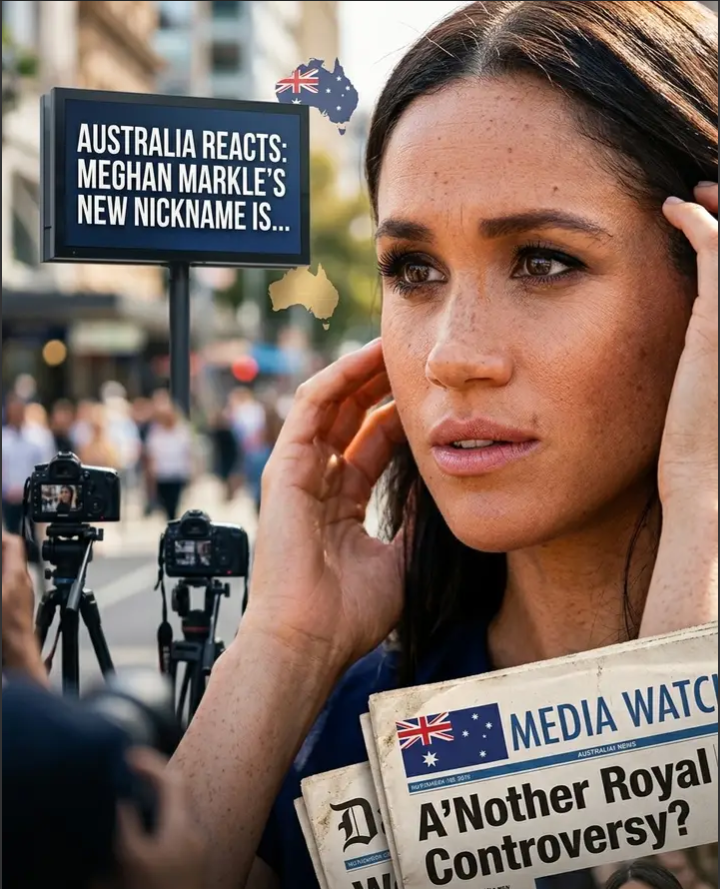
Meghan Markle’s latest visit to Australia with Prince Harry has sparked a fresh wave of public reaction, with some observers suggesting that her image is undergoing a noticeable shift. While the couple’s trip has included a series of high-profile appearances focused on mental health, youth engagement, and social issues, it has also been accompanied by growing debate about how Meghan presents herself in the public eye.
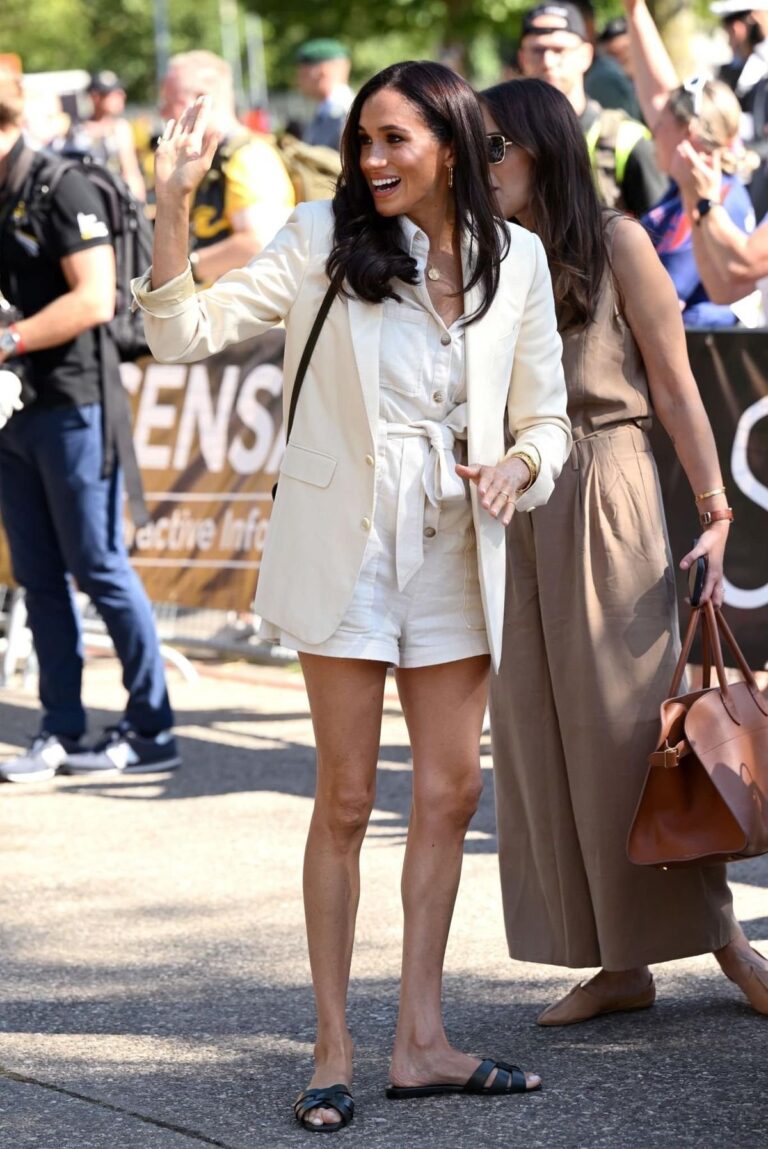
I Can’t Stop Thinking About Meghan Markle’s Monochorme Australian ‘Fit
During their time in Melbourne, the Duchess of Sussex appeared at several events that, to many, resembled traditional royal engagements. From hospital visits to university discussions, the structure and visibility of these appearances led some commentators to question whether the couple is continuing to operate in a space closely associated with official royal duties, despite having stepped back from them years ago.
The Best Photos from Meghan Markle and Prince Harry’s Australia Visit [PHOTOS]
Alongside these public engagements, attention has also turned to Meghan’s fashion choices and how they are being promoted. Outfits worn during the trip have quickly surfaced on online platforms, allowing followers to purchase similar items. This practice, while common among celebrities and influencers, has drawn criticism from those who believe it sits uncomfortably alongside the image of public service that royal-style appearances tend to project.
The Best Photos from Meghan Markle and Prince Harry’s Australia Visit [PHOTOS]
It is within this context that a new nickname has begun circulating in certain media and online discussions: “Duchess for sale.” The phrase reflects a critical view that Meghan’s public appearances are increasingly tied to commercial opportunities. While not universally accepted, the label has gained traction among those who feel that the line between advocacy and branding is becoming blurred.
One local observer in Melbourne offered a more measured perspective, saying, “There’s no issue with her building a business or promoting fashion, but when it’s happening at the same time as charity visits, it can feel a bit mixed.” This sentiment captures a broader uncertainty about how to interpret Meghan’s evolving public role.
Supporters of the Duchess argue that such criticism overlooks the realities of modern public life. They point out that Meghan and Harry are no longer working royals and therefore have the freedom to pursue independent ventures. From this viewpoint, combining advocacy work with personal branding is not only acceptable but also necessary to sustain their platform and influence.
Harry, for his part, has continued to focus on themes of mental health and personal resilience throughout the trip. His speeches have emphasized vulnerability, the importance of seeking help, and the pressures of living under constant public scrutiny. These messages have resonated with many attendees, particularly younger audiences who relate to discussions about emotional well-being.
Meghan has also spoken candidly about her own experiences, including the impact of online criticism. By sharing her perspective, she aims to encourage open conversations about the challenges of social media and the importance of self-confidence. For some, these contributions highlight the positive side of her public engagement.
However, the contrast between these messages and the commercial aspects of the trip continues to fuel debate. Critics argue that the timing of product promotion during a visit framed around social issues creates a perception problem. Others counter that such expectations are outdated and fail to recognize how public figures operate in a digital, media-driven environment.
A media analyst commented, “They’re in a unique position. They’re not bound by royal rules anymore, but they’re still seen through a royal lens. That’s why every move is scrutinized.” This observation underscores the complexity of Harry and Meghan’s current status—neither fully inside nor entirely outside the traditional royal framework.
The reaction from the Australian public appears to be mixed rather than uniformly negative. While some have embraced the couple’s presence and messages, others remain skeptical about their intentions. The emergence of a nickname like “Duchess for sale” reflects one side of that spectrum, but it does not necessarily define the overall response.
As the trip continues, it becomes clear that Meghan Markle’s public identity is still evolving. The balance between advocacy, personal expression, and commercial activity remains a delicate one. Whether this approach will ultimately strengthen or undermine her image is a question that only time—and public perception—will answer.
For now, the conversation surrounding Meghan in Australia highlights a broader shift in how public figures are viewed. In an era where influence, branding, and social impact often intersect, clear boundaries are increasingly difficult to define. And in Meghan’s case, that ambiguity continues to generate both interest and controversy.