Royal insiders warn: Any published images of the Sussex kids on British soil could be spun into the ultimate PR weapon to reinforce the couple’s victim narrative and justify permanent exile from the monarchy
A bombshell theory circulating among royal commentators has exposed what many see as Meghan Markle’s potential endgame should Prince Harry ever bring their two children to the United Kingdom.
According to the analysis, the Duchess may be banking on stark differences between California’s ironclad anti-paparazzi protections for minors and Britain’s more public-interest-driven media landscape to create a ready-made scandal. Any photograph of Archie or Lilibet — even a long-lens side profile or back-of-head shot at a public event — could instantly be framed as proof that “Britain is unsafe” and that the children’s privacy has been brutally violated.
The strategy, the theory suggests, would allow the Sussexes to double down on their long-running claims of hostility, racism, and press harassment without ever having to prove the specifics. It would also provide a convenient, reusable excuse to skip future royal events, family gatherings, or state occasions while continuing to trade on their titles and the perpetual “what if” of a return that never quite happens.
California’s Shield vs Britain’s Different Rules
California boasts some of the strictest privacy protections for children in the United States, particularly inside the home or at school. Publishing unauthorized photographs of minors in private settings can cross into stalking and harassment territory. Major outlets operate under heavy legal scrutiny; one wrong move can trigger lawsuits, massive settlements, and reputational damage.
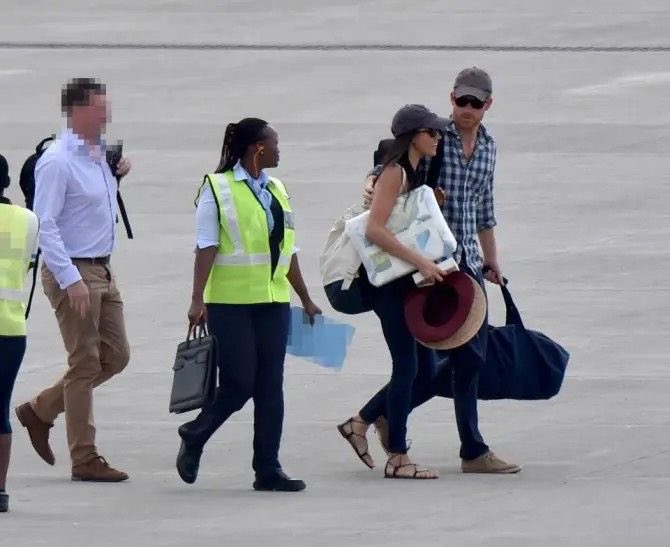
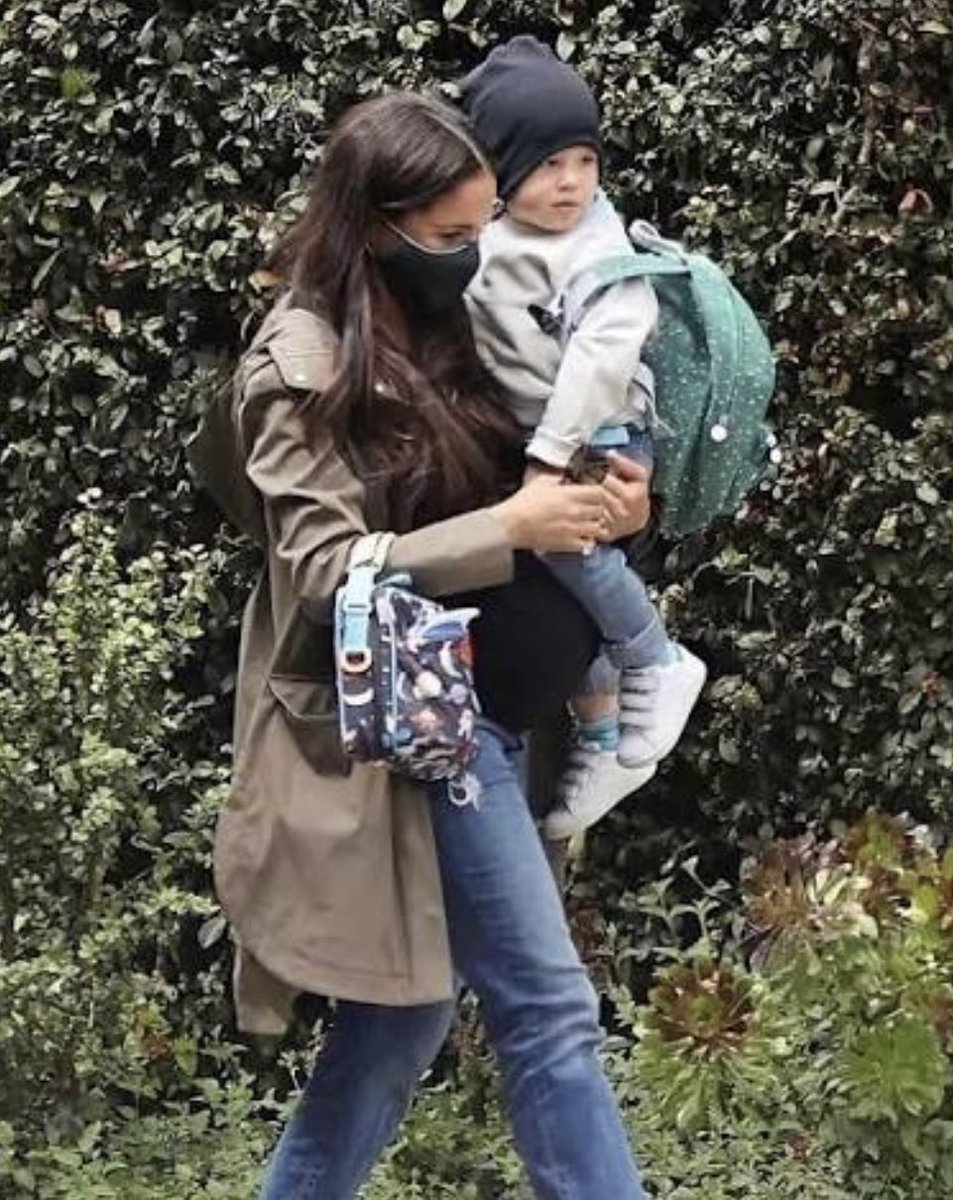
This legal environment, the theory notes, is precisely why certain past “candid” moments involving the Sussex children were able to happen in controlled ways. A now-infamous attempted paparazzi walk with a masked Meghan carrying young Archie around the time of Prince Philip’s funeral was only possible because California rules heavily restrict what can be published without consent — especially near schools.
Similarly, photographs that surfaced of Archie at a California surf lesson were published by sophisticated outlets like TMZ, which employ teams of lawyers. Observers point out that reputable organizations rarely risk publishing images obtained through obvious illegal stalking or harassment. The implication left hanging is that such moments were likely the result of internal tip-offs rather than rogue photographers — a pattern the Sussex camp has long denied but which critics say fits a broader strategy of controlled visibility.
Even everyday activities like trick-or-treating in a private California neighborhood carry strict rules. Secretly recording or photographing other people’s children in such settings can cross legal lines. The contrast with the United Kingdom could not be sharper.
What Would Actually Happen in Britain?
In the UK, children of senior royals in the line of succession — Archie and Lilibet hold Prince and Princess titles — exist in a legally and culturally different space. While there are strict press codes and IPSO regulations protecting minors, public interest arguments carry significant weight when the individuals involved are titled, publicly funded in perception (through the monarchy’s status), and occasionally used in the parents’ own branding and storytelling.
British media have long operated under tighter voluntary guidelines for royal children than in previous decades, especially after the phone-hacking scandals and Leveson Inquiry. Official photographs and carefully managed appearances are the norm for the Wales children. Unauthorized long-lens shots on private property are heavily criticized and often avoided by responsible outlets.
Yet the moment the Sussex children set foot on British soil during any official or semi-official visit, the dynamics shift. A single clear photograph — even one taken in a public or semi-public setting — could be published under public-interest grounds. The Sussex response, according to the theory, is already pre-loaded: “See? This is exactly why we left. Our children are not safe. Their privacy is invaded the second we cross the border.”
This narrative would not need to be entirely accurate to be effective. In today’s fragmented media environment, the initial claim travels fast. Context about differing legal frameworks, the children’s position in the line of succession, or the fact that other royal children are photographed regularly would be buried under the louder story of “invasion” and “danger.”
Past Patterns That Fuel the Suspicion
Critics argue this would not be the first time the Sussexes appeared to benefit from controlled imagery while loudly complaining about privacy. The couple has pursued legal action in California when it suited them and simultaneously participated in high-profile media deals that traded heavily on their personal story and family life.
They demanded and received titles for their children while stepping back from royal duties. They have spoken at length about the pain of press intrusion in interviews, documentaries, and a memoir, yet have also been accused of strategically leaking or green-lighting favorable images when it served their visibility and relevance.
The theory suggests that a UK visit with the children would represent the ultimate test of this approach. If no photographs emerge (because responsible outlets exercise extreme caution), the Sussexes can claim they are being “erased” or “hidden.” If photographs do emerge, they become instant proof of the hostile environment they have long described. Either outcome serves the same long-term goal: maintaining maximum narrative control while minimizing actual exposure and accountability.
The Bigger Stakes for the Monarchy and Media
Royal watchers say the British press faces a genuine dilemma. Aggressive pursuit of images would hand the Sussexes exactly the ammunition they appear to want. Total blackout coverage, however, risks accusations of complicity in “erasing” the children or bowing to pressure.
Some commentators argue the only winning move is transparency combined with strict adherence to existing codes: publish what is genuinely in the public interest, clearly label official versus unauthorized images, and refuse to be drawn into manufactured outrage cycles. Others suggest a coordinated restraint on publishing any images of the children unless they are officially released — effectively calling the bluff.
The theory also raises uncomfortable questions about the sustainability of the Sussexes’ current model. Titles without duties, privacy complaints while living in a media-saturated celebrity culture, and a brand built heavily on grievance all become harder to maintain if the children’s faces become regularly visible in a jurisdiction with different rules and expectations.
Why This Theory Resonates Now
Speculation about a potential UK visit has intensified around the summer calendar, with references to Wimbledon, possible private family moments, and the usual Balmoral season logistics. Harry has made solo or low-key trips before. Bringing the children would mark a significant escalation — one the theory suggests Meghan may be preparing to neutralize before it even happens.
Whether the couple ever actually travels together with Archie and Lilibet remains to be seen. What the current discussion has clarified for many observers is the sophisticated media chess game that appears to underpin every decision.
The children are not just family members in this equation. They are potential narrative assets — or liabilities — depending on whose rules apply and who controls the images. In California, the legal shield is strong. In Britain, the public-interest lens is different. Meghan Markle, the theory concludes, may be counting on that exact difference to keep the grift alive and the return to royal life permanently off the table.
The British media and public would do well to understand the trap that may already be set. Because in this particular game, the photographs themselves could become the story — regardless of what they actually show.
End of article