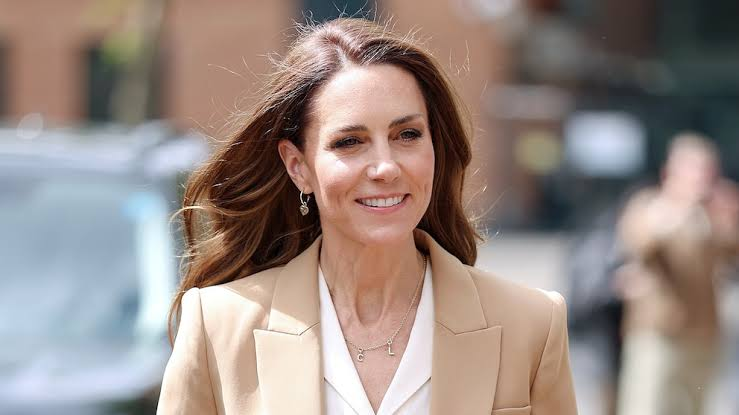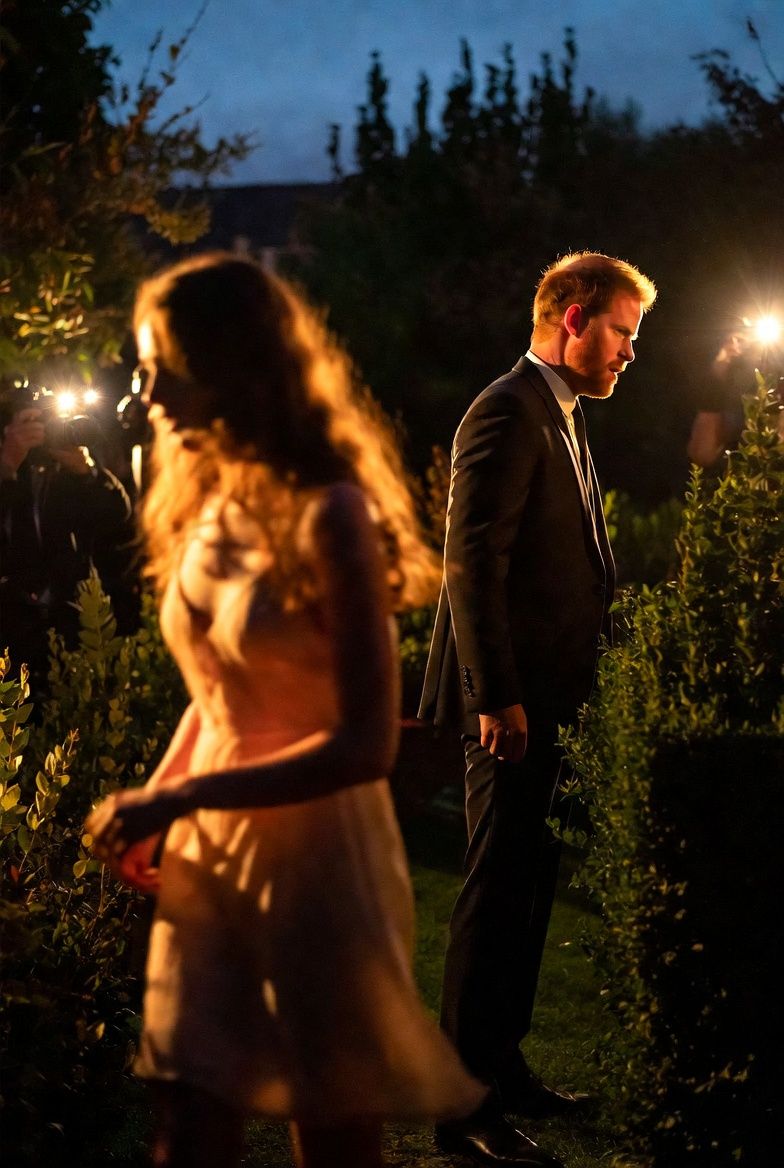
In a shocking unraveling that has royal insiders and the public alike questioning reality itself, Prince Harry’s deepening obsession with his own importance and taxpayer-funded security has reached frightening new depths. Prince William reportedly called his younger brother delusional — and fresh revelations suggest the future king may have been spot-on. From claiming he can’t afford private protection while sitting on millions, to a history of paranoia that ended past relationships, to the couple’s pattern of allowing devastating accusations against the royal family only to walk them back later, the Sussexes appear trapped in a hall of mirrors where “their truth” often clashes with facts.
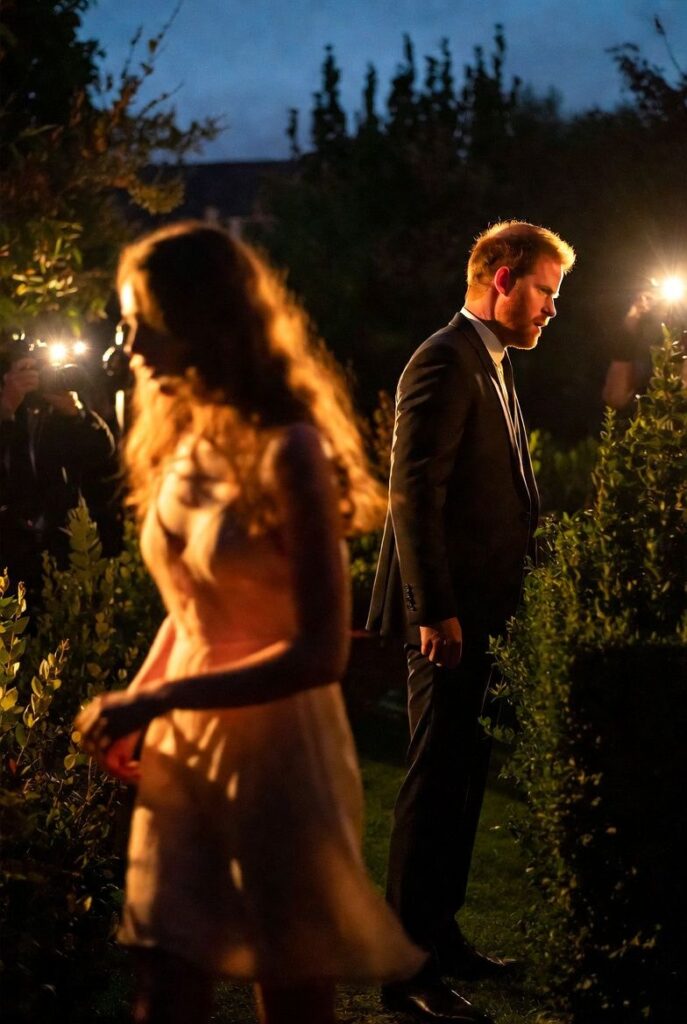
At the heart of Harry’s fixation is security — or the lack of it, in his view. Since stepping back as working royals, the Duke has waged multiple legal battles to restore police protection funded by British taxpayers. Yet reports indicate he has told his father, King Charles, that he simply cannot afford private security. This claim lands with a thud when contrasted with estimates that Harry and Meghan have spent $2–3 million annually on their own bodyguards in recent years. Insiders whisper it’s “all about the money,” with Harry reportedly eager to cut costs by shifting the burden back to the public purse. For a man whose net worth runs into the tens of millions from book deals, Netflix contracts, and inheritance, the plea rings hollow — and fuels accusations of entitlement.
This obsession isn’t new. Long before Meghan, Harry’s paranoia about paparazzi reportedly contributed to the end of his relationship with longtime girlfriend Chelsy Davy. Friends and court testimony have painted a picture of a young prince constantly scanning for hidden photographers in bushes, leading to bouts of distrust and strain that ultimately proved too much. Harry himself has spoken of how media intrusion created “paranoia” in his relationships. One ex reportedly walked away because the self-obsession and constant vigilance made normal life impossible. Now, critics say that same paranoia has only intensified, blending with a conviction of his own victimhood and importance.
Adding to the unease are Harry’s open admissions of past drug use — cocaine as a teenager, marijuana, and psychedelic mushrooms — detailed in his memoir Spare and interviews. He described using substances to “feel different” amid grief and pressure. Questions have swirled about how he received clearance to enter and reside in the United States given those revelations, with some legal challenges even questioning the consistency of his accounts. Yet Harry continues to position himself as a mental health advocate while critics point to a man increasingly convinced of “his truth,” even when it appears to contradict earlier statements or reality.
The Sussexes’ pattern of public deception has left many dumbfounded. For nearly two years after the explosive 2021 Oprah interview — where implications of racism within the royal family were heavily discussed — Harry and Meghan allowed the narrative to fester, with the institution facing global accusations and abuse. Then, in later interviews and Spare, Harry clarified that he never called his family racist, distinguishing between “unconscious bias” and outright racism, and stating the family is “very much not a racist family.” The about-face stunned observers: why sit back while loved ones endured horrific backlash if the label was never intended? Palace sources have reportedly grown vocal in private, with some staffers openly calling Meghan a liar during her time as a working royal, questioning everything from her version of events to her grasp of royal protocols.
One particularly eyebrow-raising rumor that refuses to die involves Meghan allegedly pressing for her mother, Doria Ragland, to be granted a royal title — specifically that of Countess (or at least Lady or Baroness) in recognition of her charity work. No other in-law on either side of the family had received such an honor, yet the request reportedly stunned Buckingham Palace insiders. “Who the hell did Meg think she is?” one source allegedly remarked. While the claim remains in the “allegedly” category and has never been officially confirmed, it fits a broader perception among critics that Meghan viewed royal life through a lens of personal elevation rather than service.
Palace veterans have long whispered that Meghan wasn’t royal material. From the moment she entered the fold, tensions simmered over her American background, acting career, and perceived clashes with longstanding traditions. Detractors paint her not as the self-made feminist or philanthropist she presents, but as a calculated operator who climbed through relationships — a “gold digger” (allegedly) who used powerful men to advance her position rather than pure hard work. The narrative that she “slept her way to the top” circulates in royal gossip circles, contrasting sharply with her public image as an independent icon. Whether fair or not, the perception persists that she found the perfect partner in Harry: a man critics now describe as a “lying weakling” — emotionally vulnerable, quick to air family grievances, and seemingly unable to break free from the cycle of drama.
Together, the couple appears to inhabit a parallel reality where public statements shift with the wind, old grievances are weaponized for relevance, and personal security battles overshadow quieter, sustained service. Harry’s conviction in his own narrative — even when it bends or contradicts prior accounts — has alarmed those who once knew him as the cheeky spare. William’s alleged label of “delusional” cuts deep because it comes from the brother who grew up beside him, witnessing the same pressures yet choosing a different path of duty and restraint.
As the Sussexes continue their independent life in California — complete with high-profile projects and ongoing legal fights — the question grows louder: how much of their story is genuine hurt, and how much is a self-reinforcing echo chamber of victimhood and exaggeration? From security pleas despite substantial wealth, to walking back explosive racism implications, to rumored overreaches like title demands for family, the pattern paints a portrait of two people who have deceived the public (and perhaps themselves) so thoroughly that distinguishing fact from “their truth” has become nearly impossible.
The depths of this deception feel genuinely scary to many longtime royal watchers. Prince William’s blunt assessment may have been harsh, but it resonates because it highlights a brother who once embodied fun and loyalty now seemingly lost in obsession, paranoia, and revisionist storytelling. Whether Harry and Meghan can ever step back from the brink — or whether the lies have become too entrenched to escape — remains the most intriguing and troubling royal saga of our time. For now, the public is left watching a once-beloved prince spiral further into a world where his importance is absolute, his security demands non-negotiable, and reality itself has become optional.