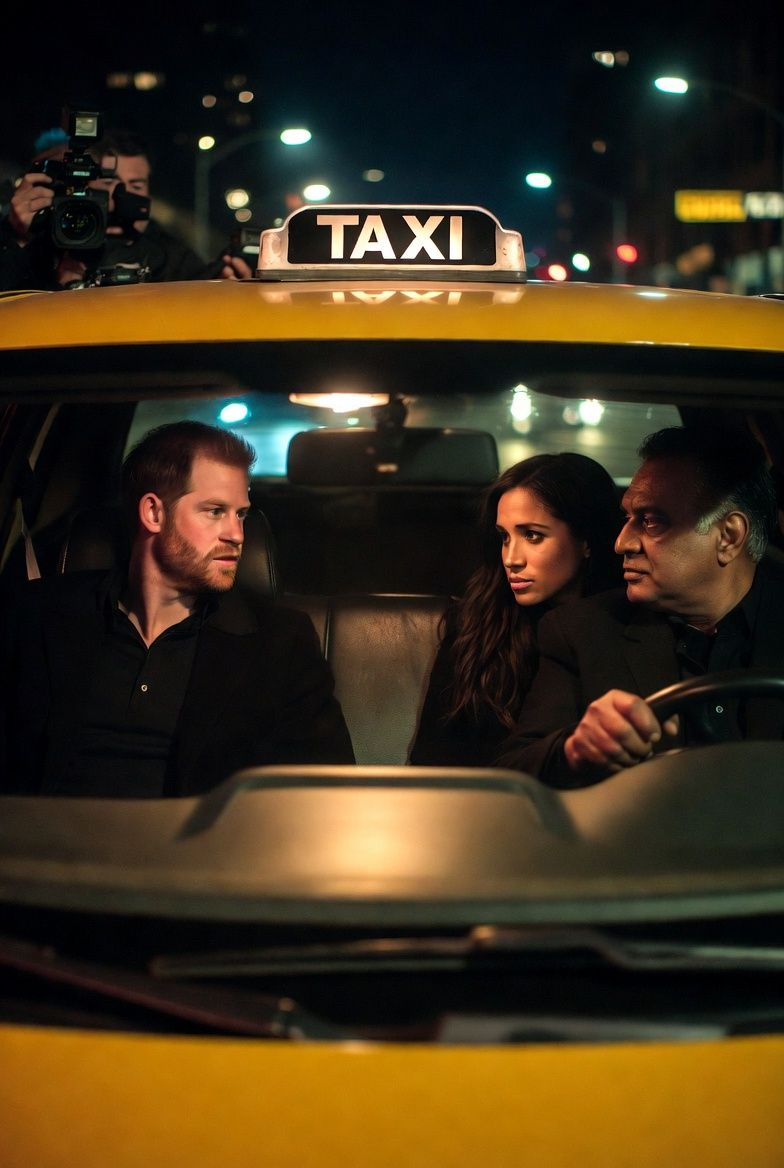
It was supposed to be the stuff of nightmares — a high-speed, two-hour “near catastrophic” car chase through the concrete jungle of Manhattan, with aggressive paparazzi relentlessly pursuing Prince Harry and Meghan Markle like something out of a Hollywood thriller. That’s the dramatic tale their spokesperson painted back in May 2023 after the couple attended the Women of Vision Awards. The statement painted a picture of danger so severe it evoked haunting memories of Princess Diana’s tragic fate. But as fresh scrutiny revisits the infamous night, the story is unraveling faster than a bad Netflix plot twist — and it’s revealing what many suspect is a long-running Sussex strategy: exaggerate security threats to keep the taxpayer-funded protection taps flowing.
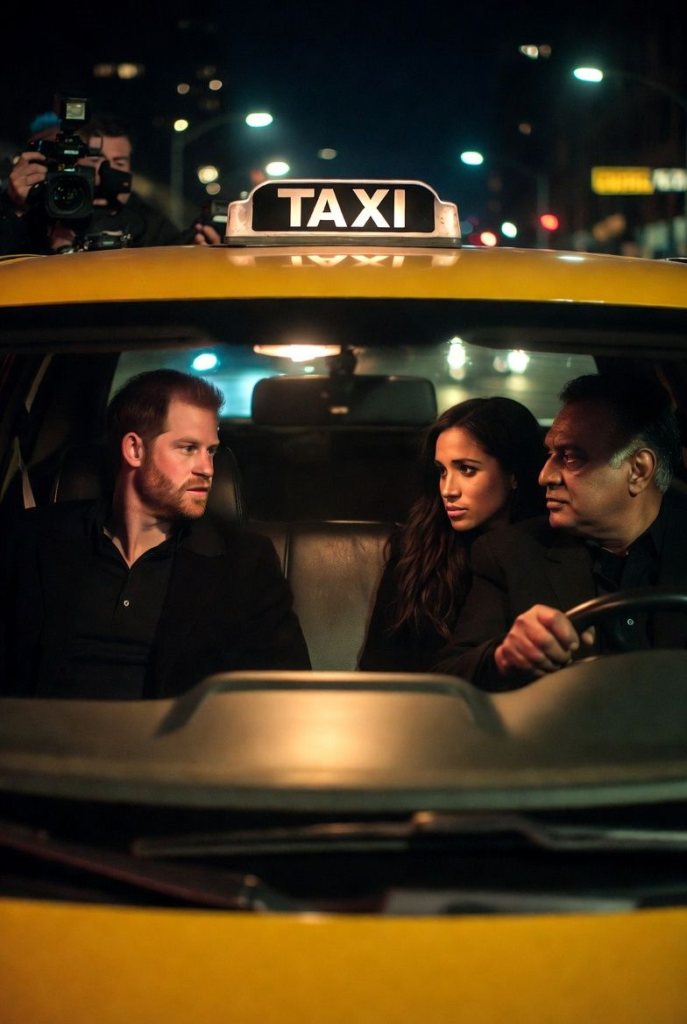
Let’s rewind to that chaotic evening in Midtown Manhattan. According to the Sussex camp, photographers in multiple vehicles turned the streets into a deadly gauntlet, endangering the couple, Meghan’s mother Doria Ragland, and innocent bystanders. The drama reportedly lasted a full two hours of relentless pursuit. But almost immediately, cracks appeared in the narrative — and they’ve only grown wider with time.
First, there was New York City Mayor Eric Adams, who didn’t mince words during a press conference. “I would find it hard to believe that there was a two-hour high-speed chase,” Adams stated bluntly, his skepticism echoing what every New Yorker already knows: Manhattan traffic is legendary for its gridlock, not its open-road speed demons. “We have a lot of traffic, a lot of movement. A lot of people are using our streets. Any type of high-speed chase… is inappropriate.” Adams condemned the paparazzi’s behavior as “reckless and irresponsible,” but he stopped short of buying the full Sussex version of events.
Even more damning was the account from the man who actually drove part of the journey — taxi driver Sukhcharn “Sonny” Singh. The couple hopped into his yellow cab after seeking brief refuge at an NYPD precinct. Singh later spoke out, describing the passengers as nervous but downplaying the entire episode. “I don’t think it was in my car, the high speed chase,” he told reporters. “We were just making left turns and right turns, and that’s it. Because we also got stuck behind the garbage truck for a little bit.” He added that he “never felt like I was in danger” and explicitly said, “I wouldn’t call it a chase.” Paparazzi were following and snapping photos, sure — but it was far from the life-threatening ordeal described. Singh even noted the couple tipped him generously for a short ride before heading back to the precinct.
NYPD sources and local reports further poked holes in the timeline. The entire episode from leaving the venue to reaching safety reportedly clocked in closer to 45-60 minutes at most, not the claimed two hours of high-octane pursuit. Footage showed cars moving at normal city speeds, with photographers occasionally pulling alongside or behind. One vehicle reportedly went the wrong way on a one-way street, but the idea of a sustained “high-speed” chase through gridlocked Manhattan? New Yorkers laughed it off as pure fiction. “Try driving 80 mph down the FDR at night with traffic — good luck,” quipped locals online and in media commentary. Manhattan isn’t exactly the Autobahn.
This wasn’t just a one-night exaggeration, critics argue. It fits a clear and repeating pattern with Meghan Markle and Prince Harry: amplify perceived threats to justify demands for elite, often taxpayer-supported security. Since stepping back as working royals in 2020, the couple has repeatedly clashed with British authorities over police protection, losing their automatic taxpayer-funded detail but continuing to push for it through legal battles and public appeals. Harry has taken the UK government to court over security decisions, claiming his safety is at risk without official Met Police bodyguards.
Fast-forward to more recent headlines, and the same script appears to be playing out. Reports have surfaced of “security concerns” and online “threats” swirling around Meghan’s upcoming luxury women’s retreat in Australia — a high-ticket event priced at thousands per person. Trolls and critics posting on social media? Suddenly framed as major risks that could endanger the entire gathering. Detractors are quick to point out the irony: someone simply wanting to record or photograph the event gets spun into a narrative of imminent danger. “Miss me with the Australia retreat ‘security risk’ narrative just because someone wants to record her,” as one viral post put it. Is it genuine safety worries, or another convenient way to spotlight the need for expensive protection details — preferably funded by someone else?
Insiders and royal watchers have long noted how the Sussexes’ public statements often blend real annoyances (paparazzi can be intrusive anywhere) with outsized drama that keeps them in the conversation. The 2023 NYC incident even drew comparisons to Diana’s 1997 Paris tunnel tragedy — a powerful emotional button that Harry has pressed before in his own security arguments. Yet when independent voices like the mayor, the cab driver, and everyday New Yorkers push back with facts on the ground, the story quietly fades while the underlying message lingers: “We need protection.”
The couple’s post-royal life has been marked by big-money deals, streaming projects, and globe-trotting appearances, all while maintaining a narrative of vulnerability that contrasts sharply with their glamorous lifestyle. Harry’s memoir Spare and various interviews have detailed his deep-seated fears rooted in his mother’s death, making any security discussion emotionally charged. But skeptics ask: at what point does caution cross into manufactured urgency? Especially when the very people on the scene — seasoned NYC drivers, police, and officials — describe events far less dramatically.
Public reaction online has been merciless. Clips of Adams’ press conference and Singh’s interviews circulate widely, with commenters pointing out the absurdity of a two-hour high-speed chase in one of the world’s most congested cities. “Manhattan traffic is among the worst in the world — any two-hour high-speed car chase is complete BS,” as one observer summed it up. Others see a broader strategy: keep the threat level elevated in the media to pressure governments (UK, US, or host countries like Australia) into providing or subsidizing security, avoiding the full private cost themselves.
Whether in New York streets, British courtrooms, or upcoming events Down Under, the Sussex approach to security appears consistent: loud claims of danger, followed by quieter contradictions from those actually involved. The 2023 “near-catastrophic” chase that wasn’t quite a chase may have been the clearest example yet — a dramatic tale that captured headlines worldwide before reality checks set in.
As the couple continues their independent path, blending celebrity, philanthropy, and advocacy, the question remains: Are these incidents genuine risks in a high-profile life, or strategic exaggerations designed to secure resources and sympathy? New Yorkers who navigate those same streets every day seem to have made up their minds. And with fresh “security risk” whispers emerging around the Australia retreat, many are watching closely to see if the pattern repeats.
One thing is clear — the Sussexes know how to keep the spotlight burning. But when the facts from cabbies, mayors, and traffic-weary locals keep contradicting the script, the drama starts looking less like a thriller and more like a carefully directed sequel. Will the public keep buying tickets, or is the audience finally starting to demand a plot twist based on reality?