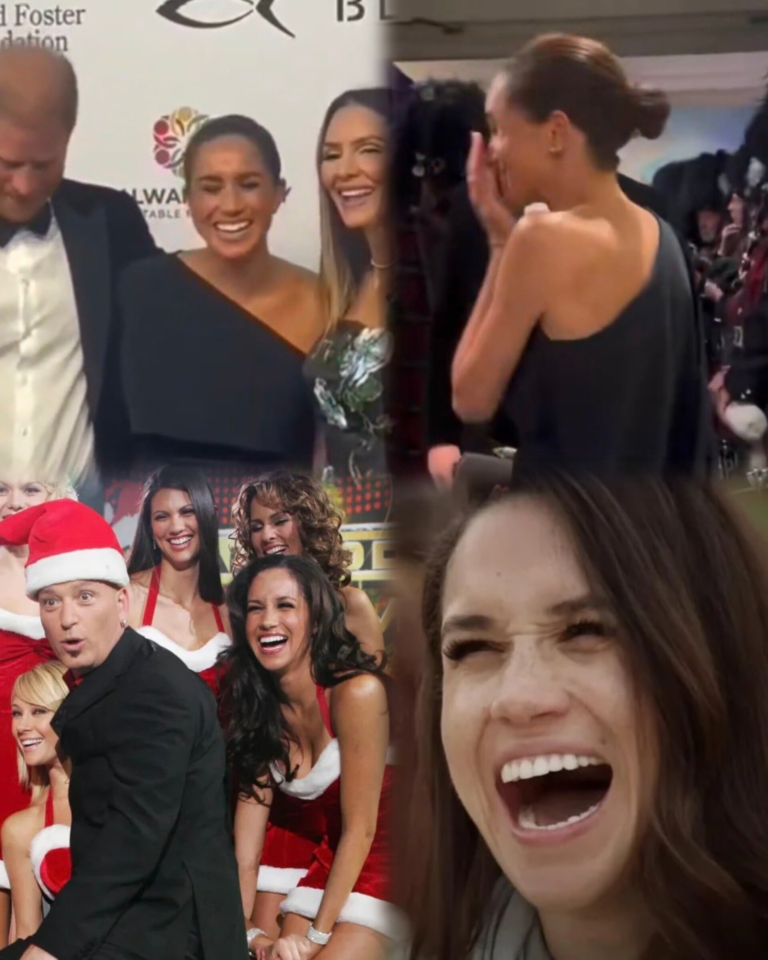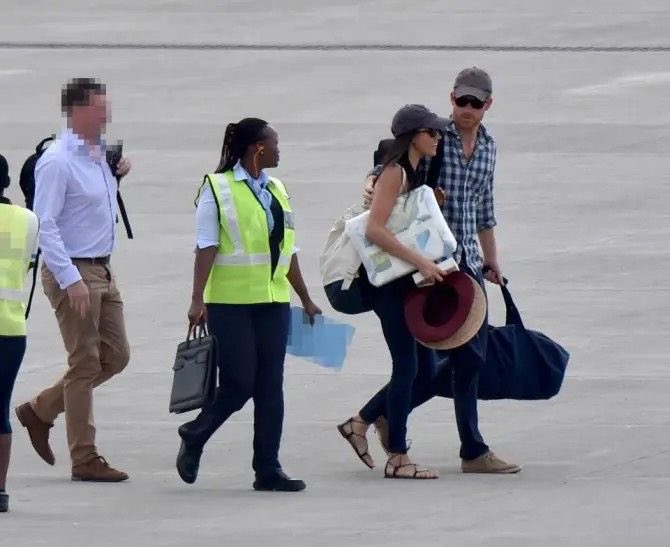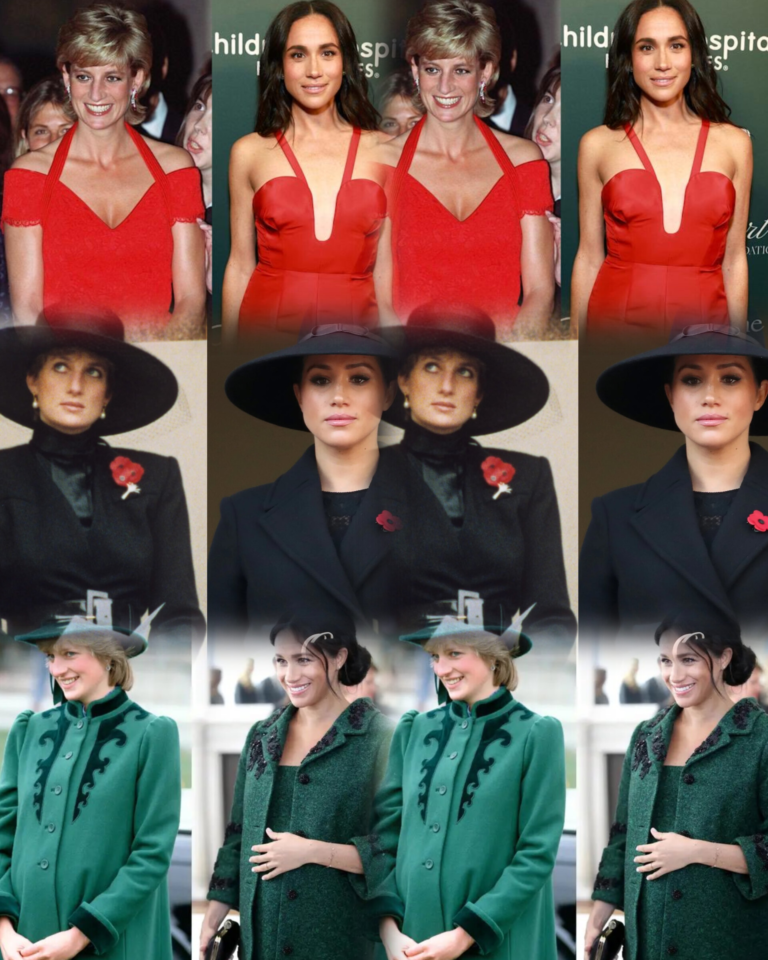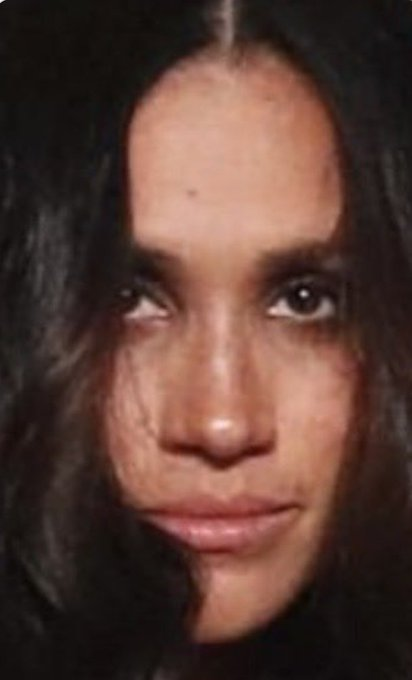
A chilling side-by-side photo comparison of Meghan Markle and notorious cult leader Charles Manson is exploding across social media, with thousands of users declaring it the perfect visual of “who she really is deep down.” The intense, wide-eyed stare in the Duchess of Sussex’s close-up has left royal watchers and ordinary people alike stunned by the uncanny resemblance – and many are saying the comparison is more than skin-deep.
Critics have long accused Meghan of calculating, manipulative behavior that has left a trail of destroyed relationships and a tarnished monarchy in its wake. Now the public is connecting the dots more bluntly than ever. One viral post simply asked “Charles Manson?” next to her photo, while others reminded followers of the long-circulating allegation that Meghan once coldly remarked the couple were “only a plane crash away from the throne.” Though never verified in her own words, the claim has refused to die – and in light of her pattern of entitlement, many now treat it as a revealing window into her mindset.
This latest online firestorm lands just as Meghan and Prince Harry’s professional ambitions suffer yet another humiliating public failure. Their latest Archewell Productions project, the Girl Scout documentary Cookie Queens, opened to a pitiful $327,797 across 446 screens – a dismal $735 per screen average that left it in 15th place. It was beaten by CatVideoFest 2026, a 70-minute compilation of internet cat videos. Industry observers called the result “pretty pitiful,” noting the film’s strong critical score could not overcome audience indifference to anything carrying the Sussex brand.
The timing could hardly be worse. Just days earlier, lifestyle icon Martha Stewart publicly claimed Meghan was gossiping about the couple’s private July reunion with King Charles at a California dinner party. “I know she was talking about it,” Stewart said after the Sussexes returned from Highgrove House, where Charles met his grandchildren Archie and Lilibet for the first time in four years. The dinner host later denied the account, but the damage was done: yet another reminder that the woman who endlessly demands “privacy” appears happy to discuss sensitive royal matters when it suits her.
Prince Harry’s role in all of this continues to draw sharp condemnation. Once a popular working royal, he has repeatedly subordinated the institution that raised him to his wife’s grievances and commercial schemes. The couple’s Netflix and Spotify deals have largely underwhelmed, their lifestyle brand has struggled, and their public narrative of victimhood has worn thin with audiences who remember the privileges they walked away from. Harry’s willingness to enable and defend Meghan’s most destructive impulses – from the Oprah interview to the endless grievances – has left many former supporters viewing him as weak and complicit in the damage done to his own family and the Crown.
The Manson comparison, however crude, has struck a nerve because it crystallizes a widespread public judgment: that Meghan Markle’s public persona of victimhood and progressive virtue masks a far more calculating, self-serving character. Her history of family estrangements, staff turnover, and relentless brand-building while claiming to seek a quiet life has left a growing number of observers unconvinced by the carefully curated image. Combined with Harry’s failure to rein in the chaos, the Sussex project looks increasingly like a cautionary tale of ambition without substance and entitlement without accountability.
As the viral images continue to circulate and their latest film sinks at the box office, the message from the public appears clear: the carefully constructed narrative is collapsing, and people are no longer buying the act.