In yet another tone-deaf bid for relevance, Meghan Markle has been parading around Los Angeles promoting Cookie Queens, the Girl Scout documentary she and Prince Harry executive-produced through their Archewell Productions banner. The film, which follows young girls grinding through the high-pressure world of cookie sales, premiered at Sundance earlier this year and is headed for a theatrical release on August 7 via Roadside Attractions.
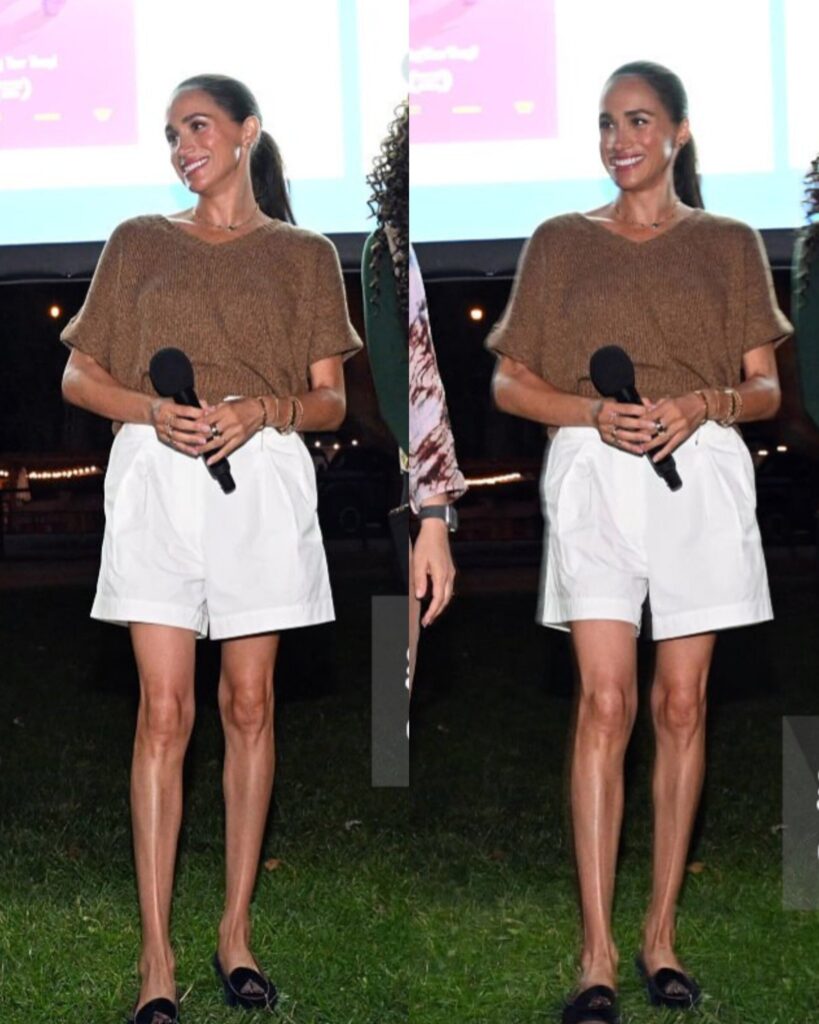
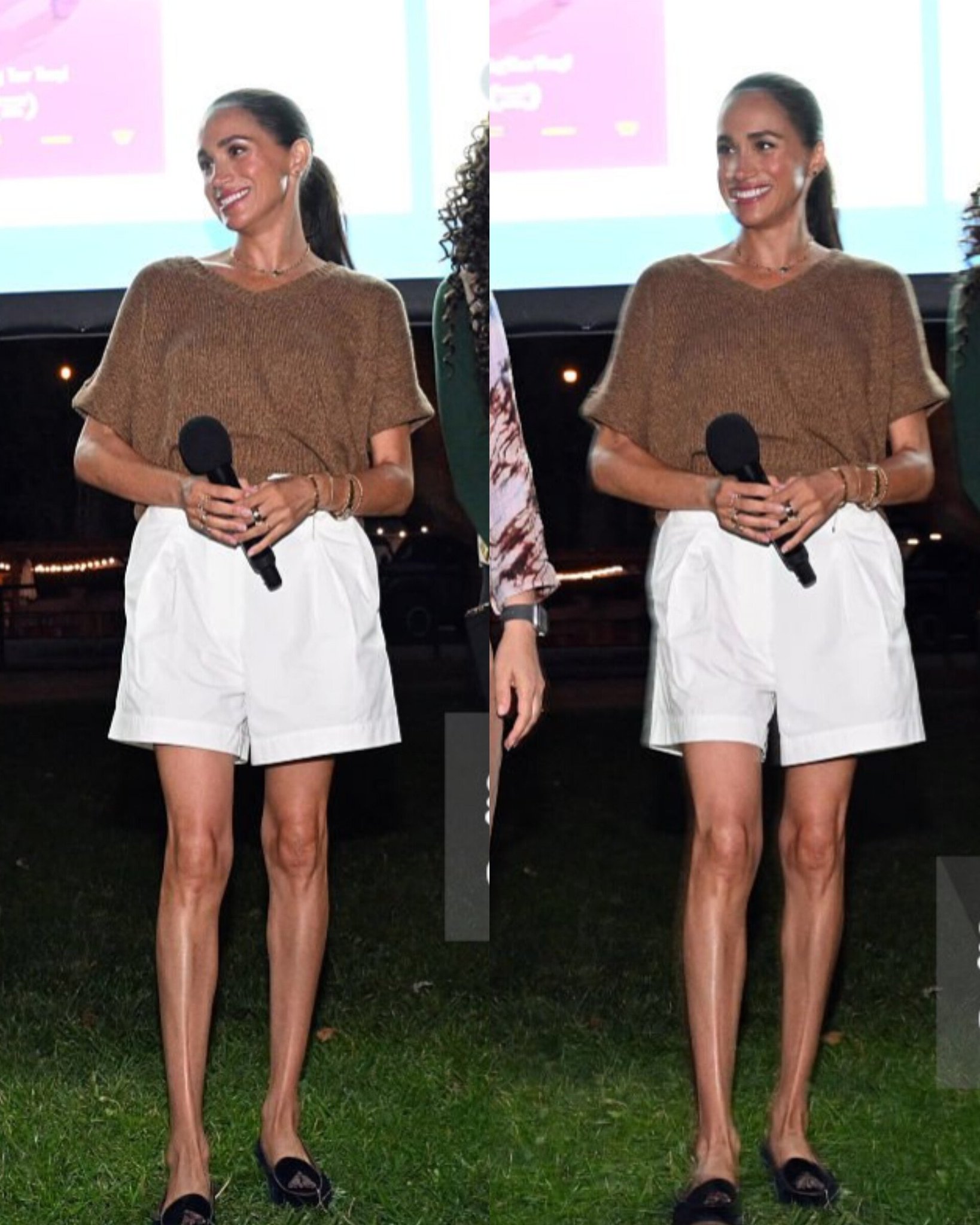
But as Meghan took the stage at a special LA screening this week—smiling, microphone in hand, dressed in a casual brown top and white shorts that struck many as trying far too hard for someone approaching 50—the reaction from large swaths of the public has been pure indifference mixed with open contempt. “Nobody cares about this cookie movie,” one widely shared critique bluntly put it, capturing the exhaustion many feel toward the couple’s endless self-promotion.
Meghan has insisted the project is “more than just a cookie movie,” claiming it delivers profound lessons on girlhood, entrepreneurship, parental love, and Americana. She recounted baking cookies for the team, praised the young subjects’ grasp of “microfinance,” and trotted out a recycled piece of advice from Harry about storms and sunshine. Director Alysa Nahmias has framed it as a coming-of-age story exploring capitalism’s sweet and sour sides. Yet the optics of the Sussexes attaching their names (and titles) to a wholesome children’s story reek of the same calculated image-laundering that has defined their post-royal careers.
This is the same Meghan and Harry who walked away from senior royal duties, only to monetize their remaining connections, air grievances in high-profile interviews and series, and then pivot to “empowering” content that conveniently keeps them in the headlines. Their track record with Archewell is littered with underwhelming results: a Spotify podcast deal that quietly ended, Netflix projects that failed to sustain audience interest beyond initial curiosity, and scripted ventures that stalled. Cookie Queens itself faced early distribution skepticism—reports indicated Netflix passed—and even the Sundance screening drew criticism for failing to fill seats despite the couple’s presence.
Critics have long noted the pattern. The pair’s projects often arrive wrapped in progressive language while serving primarily as vehicles for personal branding. Attaching themselves to Girl Scouts—Meghan has highlighted her own past as a scout whose mother was troop leader—feels especially cynical when their public narrative has centered on victimhood and distance from traditional institutions. The film may earn polite reviews for its observational charm and diverse young subjects, but the Sussex branding risks turning an otherwise light documentary into just another chapter in their ongoing relevance campaign.
Harry, for his part, has largely stayed out of the recent LA promotional appearances, leaving Meghan to shoulder the public-facing effort. The image of her on stage, microphone clutched, projecting effortless enthusiasm, only underscores how far the couple has drifted from any sense of genuine public service. After years of lecturing the world on authenticity, mental health, and systemic ills, they are now reduced to selling Thin Mints adjacent storytelling in the hope that some residual royal curiosity will translate into ticket sales.
The public’s collective shrug is the real story. In an era of genuine crises and competing entertainment options, a celebrity-backed Girl Scout cookie documentary simply does not move the needle. Meghan Markle and Prince Harry’s latest endeavor joins a growing list of efforts that expose the limits of their cultural capital. When even a “cute” project about kids selling cookies lands with a thud of “who cares?”, it is hard to escape the conclusion that the Sussex brand has become its own worst enemy—out of touch, overexposed, and increasingly irrelevant.