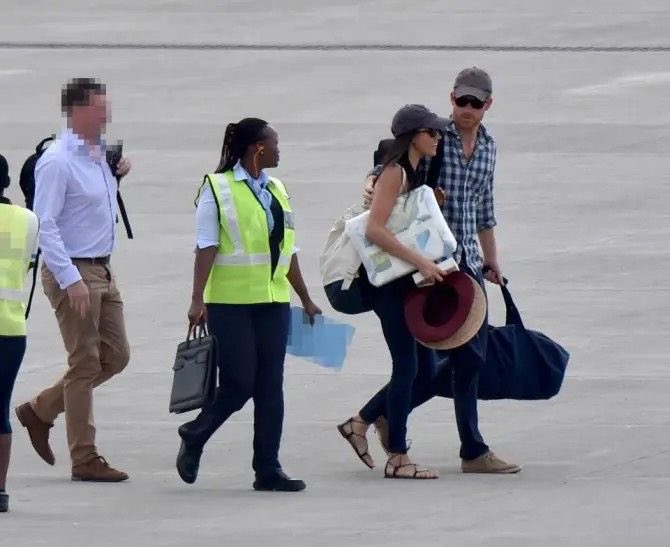
Prince Harry and Meghan Markle touched down in Britain this week after six years of California exile, arriving on a lavish private jet that cost an estimated $120,000 for the 10-hour flight from Los Angeles to Birmingham. They brought their two children, two dogs, and a well-rehearsed victim narrative. What they did not bring was any visible gratitude, humility, or apology.
The Duke and Duchess of Sussex — titles they still cling to while insisting they want a private life — chartered a Bombardier Global Express XRS through Planet 9. The aircraft features two bathrooms, seating for 13, five beds that sleep six, and room for a dozen-plus suitcases. A source said they flew private so the family dogs could travel with them. Their chickens stayed behind in Montecito with staff. Ordinary families flying commercial with kids and pets do not get this option. Harry and Meghan did. Then they expect sympathy.
This is the same couple who spent years telling the world they were “trapped,” that the British press made Meghan’s life “an absolute misery,” that the Royal Family harbored “unconscious bias,” and that Harry had no choice but to flee for his family’s safety. They sold that story to Netflix and Oprah. They published Spare. They cashed the checks. Then the deals shrank, the lifestyle brand struggled, and suddenly an “extended stay” back in the country they spent years disparaging looked attractive. Their children, Archie, 7, and Lilibet, 5, are enrolled in a private British school starting next week. They are keeping the Montecito mansion and the Portugal holiday home. This is not exile. This is optionality funded by privilege they spent years attacking.
King Charles has reportedly welcomed the chance to see more of his son and grandchildren in a private capacity. Prince William, according to multiple reports, remains wary. Trust is the issue. Harry spent years briefing against his own brother, alleging a physical confrontation, claiming William and Catherine laughed at his Nazi costume, and painting the heir as trapped and inadequate. Now he wants to live nearby as a non-working royal with the titles, the brand value, and none of the duty. William has reason to be concerned that the old “half-in, half-out” model the late Queen rejected will be attempted again.
Meghan Markle’s contribution has been consistent: the perpetual victim who is also the relentless self-promoter. She left acting for the palace, then left the palace for Hollywood deals, then watched those deals cool. Reports of talks for a role in Guy Ritchie’s The Gentlemen circulated and then, according to some accounts, faced backlash. Her As Ever lifestyle line has not become the empire once advertised. Staffing stories from Montecito described a reputation that made hiring difficult. None of this is the profile of a woman crushed by circumstance. It is the profile of someone who treats institutions and people as disposable once they stop serving the personal brand.
Harry’s defenders still frame him as the wounded spare who had no agency. That is nonsense. He had the same royal education, the same military service opportunity, the same access to charities and platforms as his brother. He chose the tell-all, the California compound, the commercial deals, and the running commentary on how badly everyone else treated him. Commentators have called him a spoilt brat, an entitled grifter, and a man stuck in “woe-is-meism” while living as a multi-millionaire. Those descriptions fit. A man who can drop six figures on a private jet so the dogs can fly in comfort is not a prisoner of fate. He is a man who has never had to accept that other people’s lives are harder than his complaints.
The social media reaction this week has been blunt for a reason. People have watched the same cycle for six years: attack the family, monetize the grievance, demand security and status on return, offer no meaningful contrition. Harry and Meghan did not “escape” poverty or persecution. They left a gilded cage for a different gilded cage, then discovered the second one also required work, scrutiny, and consequences. Now they are back, still titled, still wealthy, still positioning themselves as the injured party.
There really are men in far worse circumstances making grim bargains just to get through the day. Harry’s problem is not that his life is uniquely tragic. It is that he and his wife have spent years insisting the world treat their discomfort as catastrophe while they fly private, keep multiple homes, and enroll their children in elite schools. Man up. Be grateful for what you have. And stop asking everyone else to pretend your choices were forced upon you.
The couple will not resume working royal duties. They will live in a private residence outside London, most likely in or near the Cotswolds. They will pay for their own security. That last point is the one consistent demand of critics: if you walk away from the institution, stop expecting the institution — and the taxpayer — to underwrite the lifestyle and the risk. Harry lost court battles over the press and over publicly funded protection. Those outcomes were not persecution. They were the predictable result of leaving the job while keeping the complaints.
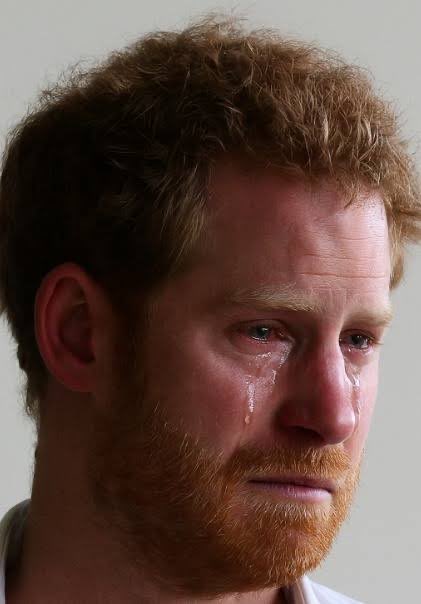
Britain does not owe Harry and Meghan a soft landing or a rewritten history. They chose the interviews, the book, the streaming specials, and the distance. They chose to describe their former home and family in the harshest terms available. Returning now, without a clear apology and with the same sense of special exemption, is not reconciliation. It is another chapter in the same performance. The man in the photo looking wounded is not a prisoner. He is a prince who has never learned that most people would trade places with him in a heartbeat — and that the ones who cannot still manage to get on with it without a documentary deal.
If Harry wants a future in the United Kingdom that is more than another media cycle, the first step is simple: drop the victim script, accept that he and Meghan inflicted lasting damage on his own family, and act like an adult who understands the difference between hardship and inconvenience. Until then, the public is entitled to point out the obvious. His life is not that bad. The people who actually have it bad do not have private jets, spare palaces, or a global audience waiting to hear how unfair it all is.